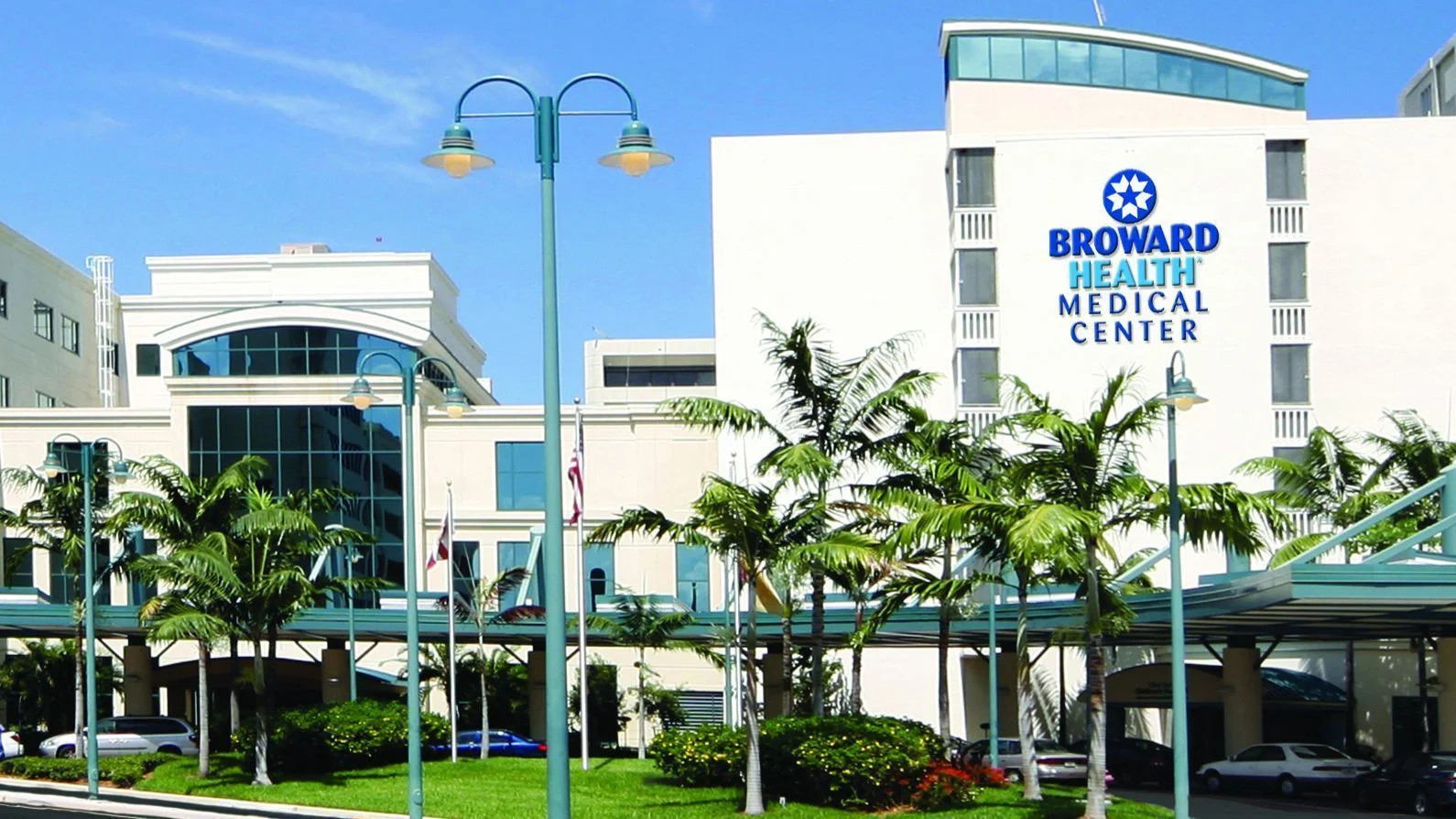
Building Inspections in South Florida
Building safety and condition inspections for condo associations, HOAs, apartment communities and building owners. We check the structure, concrete, balconies, roof, envelope and life safety features so you can plan repairs with confidence.
A building inspection gives associations, owners and property managers a clear, documented picture of how a building is holding up. At Certified Inspectors, we evaluate structural elements, concrete and balconies, the roof and building envelope, life safety features and the major systems that keep a building running. Our findings separate urgent safety items from routine maintenance, which makes it easier to plan repairs, budgets and reserves. When a condition needs deeper analysis, we tell you and recommend the right licensed professional. If you are buying, selling or financing a commercial asset, our commercial property inspections are built for that.
Same-Day Reports
Licensed & Insured
5-Star Rated Service
BBB A+ Accredited
We Don’t Just Inspect Properties. We Earn Trust.
Read what homeowners, buyers, sellers, real estate professionals, and commercial clients have to say
about their experience with Certified Inspectors.


What’s Included in Our Building Inspections
We review the parts of a building that affect resident safety, durability and long-term repair costs.
Structural Condition
- Columns, beams and load-bearing walls
- Floor slabs and roof slabs
- Foundation and settlement indicators
- Cracking, bowing or deflection
- Condition of previous structural repairs
- Signs of overloading or distress
- Items that need a structural engineer
Roof & Drainage
- Roof covering condition and estimated age
- Roof drains, gutters and scuppers
- Ponding water and slope problems
- Parapets, coping and flashing
- Rooftop equipment supports and curbs
- Roof access hatches and ladders
- Signs of roof leaks inside the building
Envelope & Water Intrusion
- Stucco, cladding and exterior walls
- Windows, sliding doors and impact openings
- Sealants and expansion joints
- Water staining and active leaks
- Waterproofing at decks and planters
- Moisture conditions that can lead to mold
- Hurricane and wind-related damage
Concrete, Balconies & Railings
- Concrete spalling and exposed rebar
- Rust staining and corrosion indicators
- Balcony slab and edge condition
- Railing height, attachment and stability
- Walkways, catwalks and stairways
- Parking garage decks and ramps
- Previous concrete patching and repairs
- Areas that need closer engineering review
Electrical & Mechanical
- Main electrical rooms and panels
- Overheating or corrosion indicators
- Emergency generators and transfer switches
- Elevator machine room observations
- Central plant equipment and pumps
- Common area lighting
- Visible electrical safety hazards
Plumbing & Drainage
- Domestic water piping and risers
- Cast iron and drain line condition
- Leaks at shut-offs and valves
- Water heaters and booster pumps
- Backflow devices
- Lift stations and sump pumps
- Storm drains and site drainage
- Signs of past water damage
Life Safety & Egress
- Fire alarm and sprinkler visual check
- Exit routes and stairwells
- Emergency lighting and exit signs
- Fire-rated doors and closers
- Fire extinguishers and hose cabinets
- Blocked or unsafe egress paths
- Trip and fall hazards in common areas
Site, Seawalls & Common Areas
- Parking lots and drive aisles
- Sidewalks and walkway hazards
- Retaining walls and seawalls
- Pool decks and amenity areas
- Site drainage and flooding signs
- Exterior lighting
- Fences, gates and perimeter walls
Code, Permits & Records
- ADA/accessibility compliance review
- Visible building code concerns
- Open or expired permit indicators
- Signs of unpermitted alterations
- Review of previous inspection reports
- Recommendations for engineer follow-up
When to Schedule a Building Inspection
Owners, associations and managers call us when they need facts about a building’s condition before making safety, maintenance or budget decisions.

Condo & HOA Safety Reviews
Boards need a clear picture of structural, envelope and life safety conditions to plan maintenance and reserves. A building inspection gives you documented findings and priorities before small problems turn into special assessments. For state and local requirements, see our regulatory inspections.

Balcony & Concrete Concerns
Spalling concrete, rust stains and loose railings are common in South Florida’s salt air. We check balconies, walkways and garages and point out areas that need an engineer’s review. For a dedicated assessment, see our balcony inspections.

Life Safety Checks
Exit routes, fire doors, emergency lighting and fire protection equipment protect residents and tenants. We review these visible life safety items so issues can be corrected before an official inspection. We also offer annual fire door inspections.

After Storms & Water Leaks
Hurricanes, heavy rain and plumbing leaks can damage roofs, walls and interior finishes. We document what changed, where water is getting in and what needs repair first.

Renovations & Additions
Before or after renovation work, an inspection confirms the condition of the structure and building systems, flags visible code concerns and helps you verify the work was completed as expected.

Structural Warning Signs
Cracks in walls or slabs, sticking doors, sagging floors or uneven settlement can point to structural movement. We assess what we see and recommend a structural engineer when conditions call for it.
Why Associations & Owners Choose Certified Inspectors
Building inspections call for experience with concrete, coastal construction and the systems found in larger residential and mixed-use buildings.
Multi-Story Building Experience
Our inspectors regularly evaluate mid-rise and high-rise condos, apartment buildings and mixed-use properties, including garages, roofs, balconies and shared mechanical spaces.
Clear Repair Priorities
We rank findings by urgency and separate safety items from routine maintenance, so boards and owners know what to fix now and what to plan for later.
Florida Building Code Awareness
We understand local code expectations, permit history issues and the inspection requirements that affect older buildings in Palm Beach, Broward and Miami-Dade counties.
Reports Boards Can Use
Our reports are written in plain language with photos and clear recommendations, so they are easy to share with board members, residents, contractors and engineers.
Coastal Construction Knowledge
Salt air, humidity, flooding and hurricanes wear on South Florida buildings in specific ways. We know where to look for corrosion, water intrusion and wind-related damage.
Our Building Inspection Process
A simple three-step process that works around residents, tenants and building staff.
Plan the Visit
Tell us about the building, its age, number of floors and any known concerns. We review past reports, repair records and permits when available, then coordinate access with your manager or board.
Inspect the Building
Our team walks the roof, exterior, garages, common areas, mechanical and electrical rooms and selected units. We photograph conditions, note safety concerns and document anything that needs an engineer or specialist.
Get Your Report & Priorities
Within 3 to 5 business days you receive a photo report with findings by building component, urgent safety items and a priority list for maintenance and reserve planning.
What Makes Our Building Inspections Different
We focus on the safety and long-term condition of the building, not just a checklist.
Multi-story and coastal building experience
Safety items clearly separated from maintenance
Concrete, balcony and envelope focus
Plain-language reports for boards and owners
Engineer referrals when conditions require it
Scheduling around residents and tenants
Frequently Asked Questions About Building Inspections
What is a building inspection?
A building inspection is a visual, non-invasive review of a building’s structure, envelope, roof, life safety features and major systems. For associations and owners, it shows what is in good shape, what needs repair and what to watch over the next few years.
How often should a condo or HOA building be inspected?
We recommend a full building inspection every 3 to 5 years, plus a review after major storms or leaks. Older coastal buildings and buildings with concrete balconies often benefit from more frequent checks.
Is a building inspection the same as a milestone inspection?
No. Florida milestone inspections for condominium and cooperative buildings must be performed by a licensed engineer or architect. Our building inspection helps you find and plan for visible issues ahead of time, and our regulatory inspection services can support the process.
Can you inspect occupied buildings and units?
Yes. We coordinate with the property manager to access roofs, mechanical and electrical rooms, garages, common areas and selected units, and we note any areas we could not access.
Do you replace a structural engineer?
No. We document visible conditions and flag concerns that need a licensed engineer, such as significant cracking, spalling or deflection. Our reports help you brief the engineer and focus their time where it matters.
Do you inspect buildings after hurricanes or water damage?
Yes. After a storm or major leak we look for roof damage, envelope breaches, water intrusion and new structural concerns, and we document conditions for repair planning and insurance discussions.
Building Inspections Across South Florida
We inspect condo buildings, apartment communities, HOA properties and mixed-use buildings throughout Palm Beach County, Broward County and Miami-Dade County, including:
Schedule Your Building Inspection Today
Know the true condition of your building before small issues become costly repairs. Contact Certified Inspectors to schedule a building inspection for your association, community or property.