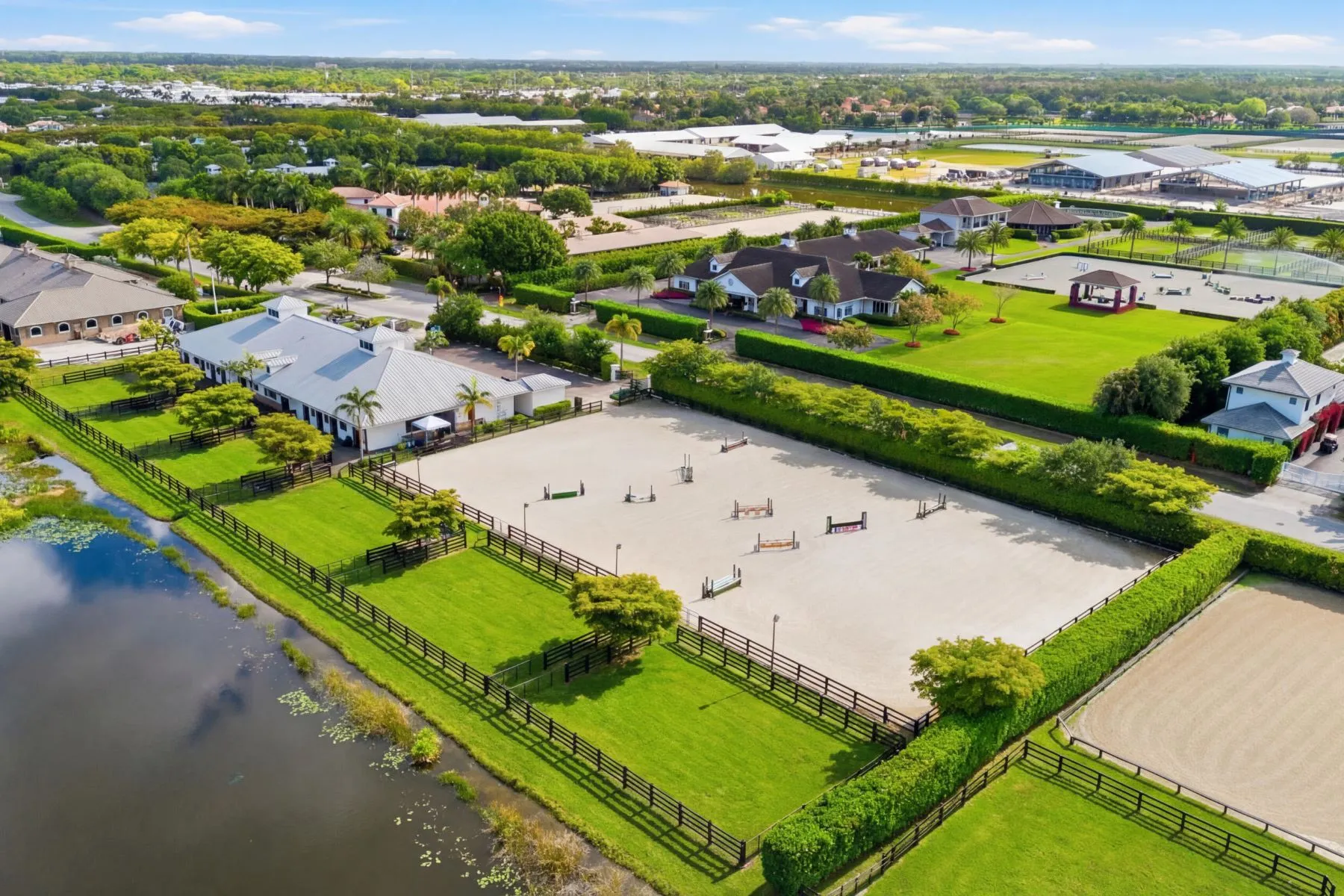
Inspecting equestrian communities in Wellington, FL requires more than a standard home inspection. This village is known worldwide for its horse culture, luxury farm estates, polo fields, dressage facilities, and seasonal equestrian lifestyle. Because these properties often combine residential living with working horse facilities, buyers need to look closely at both the home and the land that supports the animals. A thorough Equestrian Property Inspection is essential for ensuring all aspects of the property meet the necessary standards. During every Equestrian Property Inspection, it is crucial to check not just the house but the entire property.
What to Look for in Wellington Equestrian Homes

Understanding the Importance of an Equestrian Property Inspection
A Wellington equestrian home should be evaluated as both a residence and a functional farm property. The main house may include luxury finishes, guest quarters, staff accommodations, garages, pools, and outdoor living spaces, but the inspection should still focus on fundamentals such as roofing, electrical systems, plumbing, HVAC performance, structural condition, and moisture intrusion.
Conducting a comprehensive Equestrian Property Inspection helps buyers avoid potential pitfalls associated with equestrian properties. Ensuring that both living quarters and horse facilities meet the standards expected within Wellington’s competitive market is vital.
When considering an Equestrian Property Inspection, the specific needs of the horses and riders should be prioritized. This ensures that the property will function well for all its intended purposes.
Additionally, during the Equestrian Property Inspection, special attention should be given to how the property’s layout facilitates effective horse care and management.
A complete Equestrian Property Inspection will also evaluate the safety of all areas utilized by the horses, ensuring that both the barns and paddocks provide a secure environment.
Because many equestrian properties in Wellington are large and custom-built, inspectors should pay attention to additions, renovations, and accessory structures. Guest houses, tack rooms, feed rooms, offices, and grooms’ quarters may have separate electrical panels, plumbing lines, air conditioning systems, or septic components that need individual review.
Location within the community also matters. Some properties are closer to showgrounds, bridle paths, or polo venues, while others offer more privacy and acreage. During an inspection, it is useful to consider how the layout supports daily horse care, trailer access, deliveries, staff parking, and safe movement between the home, barn, arenas, and paddocks.
Assessing Barns, Arenas, and Paddock Safety
Barn inspections are one of the most important parts of evaluating an equestrian property. A good inspection should look at the roof, ventilation, stall construction, flooring, drainage, lighting, electrical outlets, fans, water access, and fire safety. In Florida’s humid climate, poor airflow or hidden moisture can quickly lead to mold, wood deterioration, and unsafe conditions for horses.
Furthermore, effective drainage systems are critical elements assessed during an Equestrian Property Inspection to prevent water accumulation, which can affect horse health.
Ultimately, the goal of an Equestrian Property Inspection is to reassure buyers that they are investing in a property that meets the equestrian lifestyle standards.
Every aspect, including the functionality of barn facilities, should be scrutinized during the Equestrian Property Inspection process.
Arenas should be reviewed for footing quality, base stability, grading, fencing, irrigation, and lighting. Whether the arena is used for dressage, hunters, jumpers, or general training, uneven footing or poor drainage can create safety concerns for both horse and rider. The condition of mirrors, jumps, rails, gates, and arena borders should also be checked carefully.
Without a proper Equestrian Property Inspection, buyers might overlook critical issues that could impact their investment.
Paddocks and turnout areas need secure fencing, safe gates, adequate shade, and access to clean water. Inspectors should look for broken boards, protruding nails, loose hardware, low spots, toxic plants, and areas where horses may be able to escape or injure themselves. In Wellington, where many properties house high-value performance horses, small safety issues can become costly problems.
Checking Drainage and Pasture Conditions
In conclusion, prioritizing a thorough Equestrian Property Inspection is fundamental for anyone looking to purchase in Wellington’s equestrian communities.
Drainage is a major concern when inspecting equestrian communities in Wellington. South Florida receives heavy seasonal rain, and low-lying areas can hold water if the land is not properly graded. Standing water near barns, arenas, driveways, or paddocks can cause mud, erosion, mosquito problems, and hoof-related health issues.
Pasture condition should be evaluated for grass coverage, soil stability, weeds, irrigation performance, and overall usability. Overgrazed or poorly maintained pastures may require reseeding, fertilization, pest control, or rotational grazing improvements. Buyers should also consider whether the acreage is sufficient for the number of horses they plan to keep.
It is also important to inspect canals, swales, culverts, retention areas, and drainage easements. These features are common in Wellington and can affect how water moves across the property. A local inspector familiar with the area can identify whether drainage conditions appear typical, manageable, or potentially expensive to correct.
Why Local Inspection Expertise Matters Most
Wellington equestrian properties are unique, and local knowledge makes a significant difference. An inspector who understands horse farms will know that a beautiful home is only one part of the investment. Barn function, animal safety, drainage, fencing, turnout space, and access routes all influence the property’s true value and usability.
Local expertise also helps when reviewing community expectations, seasonal usage, and property demands during Wellington’s busy equestrian season. Homes may experience different wear patterns when they are used heavily for a few months each year, especially if staff, guests, trainers, and horses are all on-site at the same time.
A qualified local inspector can help buyers make informed decisions before closing. They can identify maintenance concerns, recommend further evaluations when needed, and help separate minor cosmetic issues from major functional problems. In a specialized market like Wellington, that insight is essential.
Buying in one of Wellington’s equestrian communities is about more than finding a beautiful home; it is about choosing a property that safely and efficiently supports horses, riders, staff, and daily operations. A thorough inspection of the residence, barns, arenas, paddocks, drainage, and pasture conditions can protect your investment and give you confidence before moving forward. Always consider a detailed Equestrian Property Inspection to ensure your investment is sound.
Learn More
Equestrian facilities are unique properties that combine residential, agricultural, and commercial elements. The following organizations provide valuable information on horse care, barn safety, facility management, and building standards:
- American Association of Equine Practitioners (AAEP) – Resources on equine health, stable management, and horse welfare.
https://aaep.org/ - United States Equestrian Federation (USEF) – National governing body for equestrian sports, offering guidance on facility operations and best practices.
https://www.usef.org/ - Florida Department of Agriculture and Consumer Services (FDACS) – Information on agricultural regulations, equine programs, and biosecurity in Florida.
https://www.fdacs.gov/ - National Fire Protection Association (NFPA) – Fire prevention and life safety guidance applicable to barns and agricultural structures.
https://www.nfpa.org/ - American Society of Agricultural and Biological Engineers (ASABE) – Engineering standards and technical resources related to agricultural facilities and infrastructure.
https://www.asabe.org/
Frequently Asked Questions About Inspecting Equestrian Facilities
What is included in an equestrian facility inspection?
An equestrian facility inspection evaluates the condition of barns, stables, riding arenas, paddocks, fencing, drainage, electrical systems, plumbing, roofs, and other structures to identify safety concerns and maintenance needs.
Why should I have an equestrian property inspected before buying?
An inspection helps uncover costly issues that may not be visible during a showing, including structural deficiencies, drainage problems, electrical hazards, roofing concerns, and deferred maintenance that could affect horses and riders.
Do you inspect horse barns and stables?
Yes. We inspect horse barns, stables, tack rooms, feed storage areas, wash racks, and related structures for signs of damage, deterioration, moisture intrusion, and safety hazards.
Can you inspect riding arenas?
Yes. We inspect both covered and outdoor riding arenas, evaluating structural components, footing conditions, drainage, lighting, and visible maintenance issues that may affect usability and safety.
Do equestrian properties require specialized inspections?
Yes. Horse properties have unique systems and structures that are not typically found on residential properties, making specialized knowledge important when evaluating barns, arenas, fencing, and equine infrastructure.
What problems are common in Wellington equestrian properties?
Common issues include roof leaks, deteriorated fencing, drainage deficiencies, moisture damage, aging electrical systems, corrosion from Florida’s climate, and wear caused by heavy equestrian use.
Do you inspect fencing and gates?
Yes. We evaluate the visible condition of fencing, gates, posts, and hardware for damage, deterioration, stability, and potential safety concerns.
Why is drainage important on horse properties?
Proper drainage helps prevent standing water, muddy paddocks, erosion, and conditions that can impact both horse health and the longevity of buildings and riding surfaces.
How long does an equestrian property inspection take?
Inspection times vary depending on the size and complexity of the property. Larger facilities with multiple barns, arenas, and auxiliary buildings generally require more time than standard residential inspections.
Why choose Certified Inspectors for equestrian property inspections?
Our inspectors understand the unique challenges of equestrian facilities in South Florida and provide detailed, objective evaluations that help buyers, owners, and investors make informed decisions.
