Boat Lift Inspections in South Florida
Professional boat lift inspections identifying structural deficiencies, motor failures, cable wear, electrical hazards, and safety concerns protecting valuable vessels and preventing catastrophic equipment failure. Comprehensive assessment of lift motors, cables, davit arms, cradles, hydraulic systems, and control mechanisms throughout South Florida waterfront properties.
Boat lift inspections provide comprehensive mechanical and structural assessment of electric lifts, hydraulic lifts, davit systems, vertical lifts, cantilever lifts, and PWC lifts identifying motor deterioration, cable failure risks, structural damage, electrical hazards, and safety deficiencies throughout South Florida marine environments. At Certified Inspectors, our marine equipment specialists evaluate lift structural integrity, motor condition, cable wear patterns, pulley systems, davit arms, cradle construction, bunks and pads, electrical systems, hydraulic components, control mechanisms, and overall operational safety. We understand boat lift engineering, marine motor deterioration, cable failure mechanisms, saltwater corrosion effects, electrical system requirements, and South Florida’s aggressive environment including saltwater exposure, humidity, UV radiation, marine growth, and tidal cycling. Our boat lift inspections support property purchase decisions, preventive maintenance planning, insurance documentation, safety compliance, repair prioritization, and equipment replacement timing for waterfront homeowners, marina facilities, and yacht clubs. Professional lift assessment prevents vessel damage, protects occupant safety, avoids catastrophic failures, and maintains reliable vessel storage throughout South Florida’s extensive waterfront development.
Same-Day Reports
Licensed & Insured
5-Star Rated Service
BBB A+ Accredited
We Don’t Just Inspect Properties. We Earn Trust.
Read what homeowners, buyers, sellers, real estate professionals, and commercial clients have to say
about their experience with Certified Inspectors.


What’s Included in Boat Lift Inspections
Our boat lift inspections provide comprehensive mechanical, electrical, and structural assessment protecting vessels and users.
Lift Motor & Drive System
- Electric motor condition and performance
- Motor housing corrosion and deterioration
- Gearbox oil level and condition
- Drive shaft alignment and wear
- Brake system functionality and adjustment
- Motor mounting security and vibration
- Capacitor condition and electrical connections
Cable System Assessment
- Cable wear patterns and strand breakage
- Cable corrosion and deterioration
- Cable tension balance and adjustment
- Cable end fittings and attachment security
- Cable routing and potential interference
- Sheave groove wear and cable tracking
- Emergency cable failure risk assessment
Davit Arms & Structural Framework
- Davit arm structural integrity and alignment
- Aluminum davit corrosion and stress cracks
- Steel component rust and deterioration
- Weld integrity and cracking
- Pivot points and bearing condition
- Structural fastener security and corrosion
- Load capacity adequacy verification
Cradle & Bunk System Evaluation
- Cradle frame structural condition
- Bunk board deterioration and rot
- Bunk carpet wear and replacement needs
- Hull contact point positioning and adjustment
- Crossbeam integrity and support adequacy
- Vessel support distribution and stability
Pulley & Sheave System
- Sheave wheel wear and groove condition
- Bearing smoothness and noise
- Pulley mounting security and alignment
- Lubrication adequacy and maintenance
- Cable tracking and sheave alignment
- Pulley corrosion and deterioration
Electrical System & Controls
- Control panel condition and weatherproofing
- GFCI protection and electrical safety
- Wiring insulation and connection integrity
- Switch and control functionality
- Remote control operation and reliability
- Emergency stop functionality
- Electrical component corrosion and exposure
Hydraulic System Assessment
- Hydraulic pump condition and performance
- Hydraulic fluid level and contamination
- Cylinder seal condition and leakage
- Hydraulic hose deterioration and cracking
- Fitting security and leak detection
- Pressure relief valve functionality
- System pressure testing and verification
Comprehensive Lift Report
- Detailed mechanical condition assessment
- Extensive photographic documentation
- Safety hazard identification and prioritization
- Cable failure risk assessment
- Maintenance recommendations and scheduling
- Repair cost guidance and replacement timing
- Manufacturer or service technician referral
When You Need Boat Lift Inspections
Boat lift inspections serve critical purposes protecting vessels, ensuring safety, and preventing catastrophic failures.

Pre-Purchase Property Assessment
Waterfront property buyers require boat lift condition assessment before closing. Hidden mechanical deterioration creates unexpected repair costs. Lift motor replacement costs $2,000-5,000+. Complete lift replacement costs $15,000-50,000+ depending on capacity and type. Cable failure risks vessel damage exceeding lift value. Inspection reveals motor condition, cable wear, structural integrity, and safety hazards supporting purchase negotiations or seller repairs. Pre-purchase assessment protects buyers from inheriting dangerous or failing lifts.

Annual Preventive Maintenance
Boat lift owners benefit from annual preventive inspections identifying deterioration before failures occur. Regular assessment detects cable wear, motor deterioration, electrical hazards, and structural problems. Proactive cable replacement prevents catastrophic vessel drops. Early motor replacement avoids being stranded with elevated vessels. Preventive maintenance extends lift service life and protects vessel investments. Annual inspection provides peace of mind protecting valuable vessels and ensuring reliable operation.

Post-Hurricane Damage Evaluation
Following hurricanes or major storms, lift inspection identifies damage requiring attention. Storm surge and wave action stress structural components. Wind forces stress davit arms and framework. Floating debris impacts create structural damage. Electrical submersion creates shock hazards. Post-storm inspection documents damage for insurance claims and identifies hidden deterioration. Early assessment prevents progressive failure enabling timely repairs. South Florida’s hurricane exposure makes post-storm lift inspection essential.
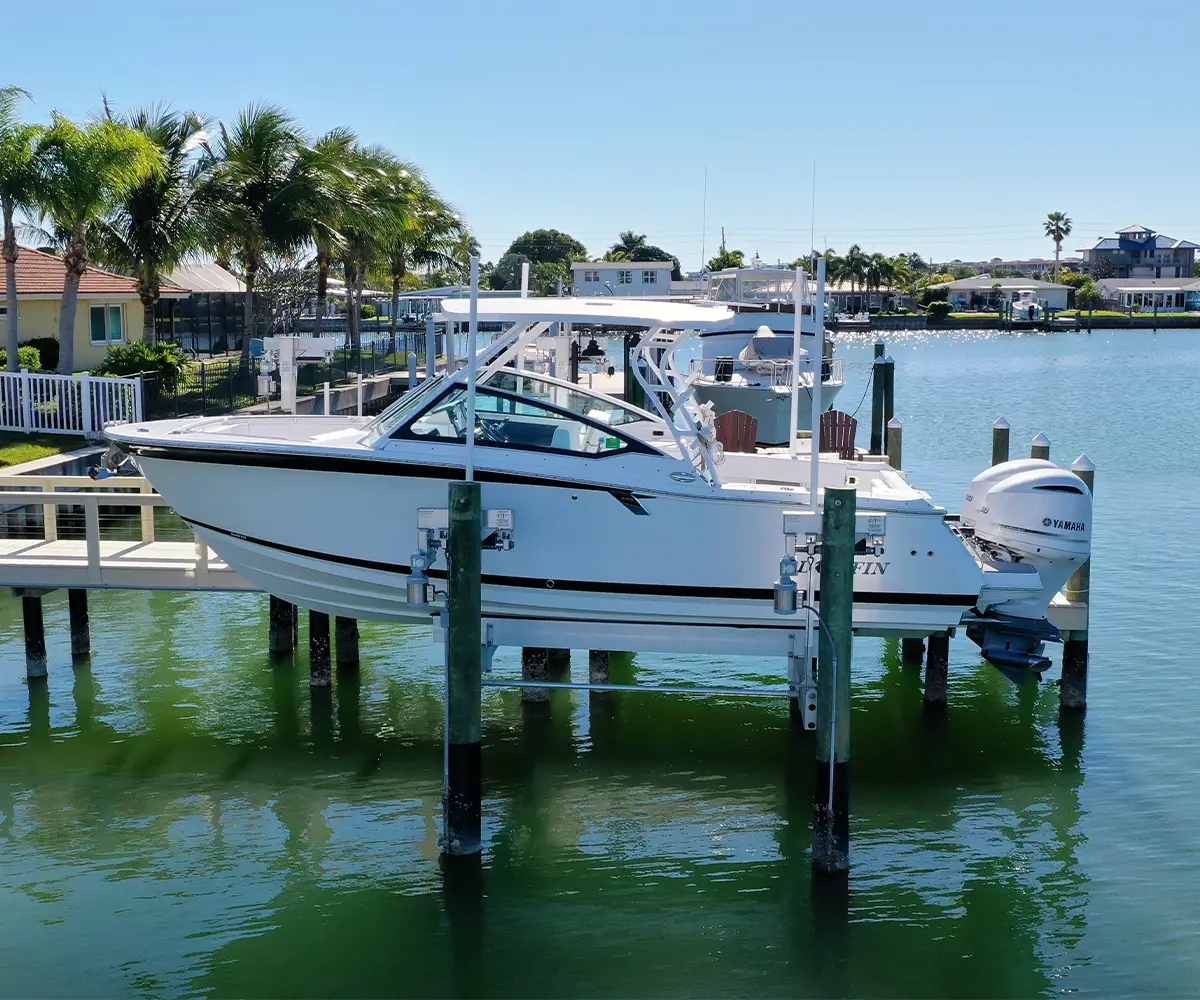
Operational Problems Investigation
Property owners experiencing operational problems including slow lifting, unusual noises, uneven operation, electrical malfunctions, or control issues require professional inspection. Operational symptoms indicate underlying mechanical or electrical problems. Comprehensive assessment identifies root causes preventing temporary fixes that don’t address actual problems. Professional evaluation determines repair versus replacement appropriateness protecting vessel safety and investment.

Insurance Documentation
Property insurers may require lift condition documentation especially for high-value vessels. Pre-existing deterioration affects coverage. Documented maintenance demonstrates due diligence. Inspection provides condition baseline for future claims. Professional assessment supports insurance underwriting and risk evaluation. Regular inspection documentation protects property owners from coverage disputes following lift-related vessel damage.

Capacity Upgrade Evaluation
Vessel owners acquiring larger boats require lift capacity verification. Existing lift capacity must exceed new vessel weight. Overloading accelerates component wear, stresses cables, and risks catastrophic failure. Professional assessment evaluates current lift capacity, structural adequacy, and upgrade feasibility. Inspection determines whether existing lift can safely handle heavier vessels or requires replacement protecting both vessel and equipment investments.
Why Vessel Owners Choose Certified Inspectors
Boat lift inspection requires marine equipment expertise, mechanical assessment knowledge, and failure prevention experience.
Marine Equipment Inspection Expertise
Our inspectors specialize in marine equipment assessment understanding lift engineering, mechanical systems, and failure mechanisms. Equipment expertise enables accurate condition evaluation distinguishing normal wear from critical deterioration. Specialized knowledge ensures comprehensive assessment identifying all safety hazards and failure risks protecting valuable vessels.
Motor and Cable System Assessment
Lift assessment requires understanding motor deterioration, cable failure mechanisms, and mechanical wear patterns. We identify motor housing corrosion, capacitor failure, cable strand breakage, and wear severity. Component expertise informs replacement recommendations and maintenance planning. Comprehensive assessment prevents catastrophic failures protecting vessels and users.
Electrical and Hydraulic Evaluation
We evaluate electrical systems identifying GFCI deficiencies, wiring deterioration, control malfunctions, and shock hazards. Hydraulic system assessment includes pump condition, fluid contamination, seal leakage, and pressure verification. Systems expertise ensures comprehensive evaluation protecting users from electrical hazards and preventing hydraulic failures.
Catastrophic Failure Prevention
We prioritize catastrophic failure risk identification including cable failure, motor burnout, structural collapse, and electrical hazards. Failure prevention focus protects vessels from drops, users from injury, and owners from devastating losses. Comprehensive risk assessment enables proactive intervention preventing catastrophic events.
Vessel Protection Focus
Our assessments protect vessel investments from lift-related damage. We evaluate cradle positioning, bunk condition, hull contact points, and support distribution. Vessel protection focus prevents hull damage from improper support, abrasion from worn bunks, and catastrophic damage from lift failures. Comprehensive evaluation ensures safe vessel storage protecting valuable marine investments.
Our Boat Lift Inspection Process
We’ve designed our lift inspection process to provide comprehensive mechanical and safety assessment.
Inspection Scheduling and Preparation
Contact us to discuss lift type, capacity, age, manufacturer, observed problems, and inspection objectives. We coordinate vessel positioning for complete lift access. We review available manufacturer specifications and service history when provided. We schedule inspection during favorable conditions for operational testing.
Comprehensive Lift Assessment
Our inspector conducts detailed evaluation examining motor, cables, davit arms, cradle, pulleys, electrical systems, hydraulics (if applicable), and overall mechanical integrity. We document deterioration, wear patterns, safety hazards, and failure risks with extensive photography. We perform operational testing evaluating lifting speed, balance, noise, and control functionality. Inspection typically requires 1-2 hours depending on lift complexity.
Detailed Inspection Report Delivery
Receive comprehensive lift inspection reports within 3-5 business days including detailed mechanical condition assessment, extensive photography, safety hazard identification, cable failure risk evaluation, maintenance recommendations, repair cost guidance, replacement timing considerations, and manufacturer or service technician referrals. Reports support purchase decisions, maintenance planning, insurance documentation, and service contractor selection protecting vessel investments.
What Makes Our Lift Inspections Different
Boat lift inspection requires marine equipment expertise, mechanical knowledge, and failure prevention focus.
Marine equipment inspection specialization
Motor and cable system expertise
Electrical and hydraulic evaluation
Catastrophic failure risk assessment
Vessel protection focus
Operational testing and verification
Frequently Asked Questions About Boat Lift Inspections
How much do boat lift inspections cost?
Boat lift inspection costs typically range $300-600 depending on lift type, capacity, and complexity. Simple two-post lifts cost $300-400. Four-post lifts and complex systems range $400-600. Hydraulic lift assessments may cost more due to additional system evaluation. Investment protects vessel investments worth tens of thousands of dollars and prevents catastrophic lift failures costing $15,000-50,000+ for replacement.
What are signs my boat lift needs inspection?
Warning signs include slow or uneven lifting, unusual grinding or squealing noises, visible cable fraying or rust, motor struggling or overheating, electrical control malfunctions, hydraulic fluid leaks, structural cracks or corrosion, and uneven vessel positioning. Any operational change warrants professional inspection. Annual preventive inspection recommended even without symptoms. South Florida’s aggressive environment accelerates deterioration requiring proactive assessment.
How often should lift cables be replaced?
Cable replacement depends on usage, environment, and condition. Heavily used lifts in saltwater require cable replacement every 3-5 years. Freshwater lifts may extend to 5-8 years with proper maintenance. Visual inspection identifies strand breakage, corrosion, and wear requiring replacement. Never wait for complete cable failure. Proactive replacement based on inspection findings prevents catastrophic vessel drops. Professional assessment determines cable replacement timing protecting vessels from damage.
Can I inspect my boat lift myself?
While owners can perform basic visual checks, professional inspection identifies hidden deterioration and failure risks. Cable interior corrosion isn’t visible externally. Motor internal deterioration requires disassembly. Structural stress cracks require trained identification. Professional assessment includes operational testing, measurement verification, and comprehensive documentation. Annual professional inspection supplements owner monitoring providing comprehensive evaluation protecting vessel investments.
What happens during a boat lift inspection?
Inspection includes motor condition assessment, cable wear evaluation, davit arm structural examination, cradle and bunk condition, pulley and sheave wear, electrical system testing, hydraulic component assessment (if applicable), control functionality verification, and operational testing. Inspector documents all findings with extensive photography. Comprehensive evaluation identifies deterioration, safety hazards, and maintenance needs. Report provides detailed assessment supporting maintenance planning and replacement decisions.
Should I inspect my lift after hurricanes?
Yes. Post-hurricane inspection essential identifying storm damage. Storm surge stresses structural components. Wind forces stress davit arms. Debris impacts create damage. Electrical submersion creates hazards. Hidden damage may not be immediately visible. Professional inspection documents damage for insurance claims and identifies safety hazards. Post-storm assessment prevents progressive failures enabling timely repairs. South Florida’s hurricane exposure makes post-storm inspection critical for continued safe operation.
Serving South Florida Waterfront Properties
Certified Inspectors provides boat lift inspection services throughout Palm Beach County, Broward County, Miami-Dade County, and surrounding South Florida waterfront communities.
Schedule Your Boat Lift Inspection Today
Don’t risk catastrophic vessel damage from undetected lift deterioration. Professional boat lift inspection identifies cable wear, motor deterioration, structural deficiencies, electrical hazards, and failure risks enabling proactive maintenance and preventing devastating failures. Our marine equipment specialists provide comprehensive assessment documenting lift condition, identifying safety hazards, and recommending appropriate maintenance or replacement. Whether purchasing waterfront property, planning preventive maintenance, investigating operational problems, or recovering from storms, professional lift inspection protects your valuable vessel investment and ensures reliable operation.