Fire Door Inspections in South Florida
Professional fire door and fire-rated assembly inspections following NFPA 80 standards ensuring life safety compliance, building code requirements, and fire marshal approval. Annual inspections protecting occupants, reducing liability, and maintaining fire protection integrity in commercial buildings.
Fire door inspections provide comprehensive evaluation of fire-rated door assemblies, frames, hardware, and closing mechanisms following National Fire Protection Association (NFPA) 80 standards required by Florida Building Code and enforced by local fire marshals throughout South Florida. At Certified Inspectors, our certified fire door inspectors assess fire door functionality, self-closing operation, positive latching, clearances, labeling, hardware condition, and overall assembly integrity protecting life safety and property in commercial buildings. We understand NFPA 80 annual inspection requirements, Florida fire code compliance, Authority Having Jurisdiction (AHJ) expectations, and liability property owners face for fire door deficiencies. Our inspections identify non-compliant conditions requiring correction, document compliant assemblies for regulatory approval, and provide detailed reports meeting fire marshal requirements for office buildings, schools, healthcare facilities, multi-family housing, retail centers, and all commercial occupancies requiring fire-rated protection in South Florida.
Same-Day Reports
Licensed & Insured
5-Star Rated Service
BBB A+ Accredited
We Don’t Just Inspect Properties. We Earn Trust.
Read what homeowners, buyers, sellers, real estate professionals, and commercial clients have to say
about their experience with Certified Inspectors.
What’s Included in Fire Door Inspections
Our fire door inspections follow NFPA 80 standards evaluating all components of fire-rated door assemblies ensuring life safety compliance.
Fire Door Assembly Components
- Fire-rated door leaf and core condition
- Fire-rated frame and jamb integrity
- Fire door label presence and legibility
- Frame label verification
- Fire rating identification (20/45/60/90 min)
- Door construction and materials
- Glazing and vision panel compliance
Self-Closing Mechanism
- Automatic closer operation and adjustment
- Door closing from full open position
- Proper closing speed and force
- Closer mounting and attachment
- Spring hinge operation (where applicable)
- Hold-open device release functionality
- Electromagnetic hold-open device testing
Positive Latching
- Latch bolt engagement verification
- Positive latching into strike plate
- Latchset and lock functionality
- Strike plate installation and condition
- Coordinator operation (pairs of doors)
- Flush bolts and astragals (double doors)
Door Clearances
- Bottom clearance (3/4 inch maximum)
- Vertical edge clearances (1/8 inch maximum)
- Top clearance compliance
- Meeting edge clearance (pair of doors)
- Undercut and threshold conditions
- Gap measurement and documentation
Hardware & Accessories
- Hinges: quantity, size, and condition
- Hinge mounting and screw installation
- Exit devices and panic hardware
- Door stops and holders
- Signage (exit, fire door, keep closed)
- Kick plates and push plates
- Non-compliant hardware identification
Smoke Gaskets & Seals
- Intumescent seals presence and condition
- Smoke gasket installation and integrity
- Meeting edge seals (pair of doors)
- Bottom sweep or drop seal operation
- Weather stripping on exterior doors
Frame & Wall Assembly
- Frame-to-wall anchorage integrity
- Frame damage, dents, or distortion
- Wall penetrations and openings
- Fire-rated construction verification
- Improper modifications or alterations
- Penetrations through fire walls
Operational Testing
- Full swing operation from 90 degrees
- Unobstructed door path verification
- Binding, warping, or interference issues
- Door weight and operation effort
- Complete closure and latching cycle
- Sequential closing (pairs of doors)
Comprehensive Documentation
- Individual door identification and location
- Compliance status for each assembly
- Deficiency identification and prioritization
- Photo documentation of violations
- Correction recommendations
- Fire marshal submission documentation
- Annual inspection certification
When You Need Fire Door Inspections
Fire door inspections serve regulatory, safety, and liability protection purposes for commercial property owners.
Annual Compliance Inspections
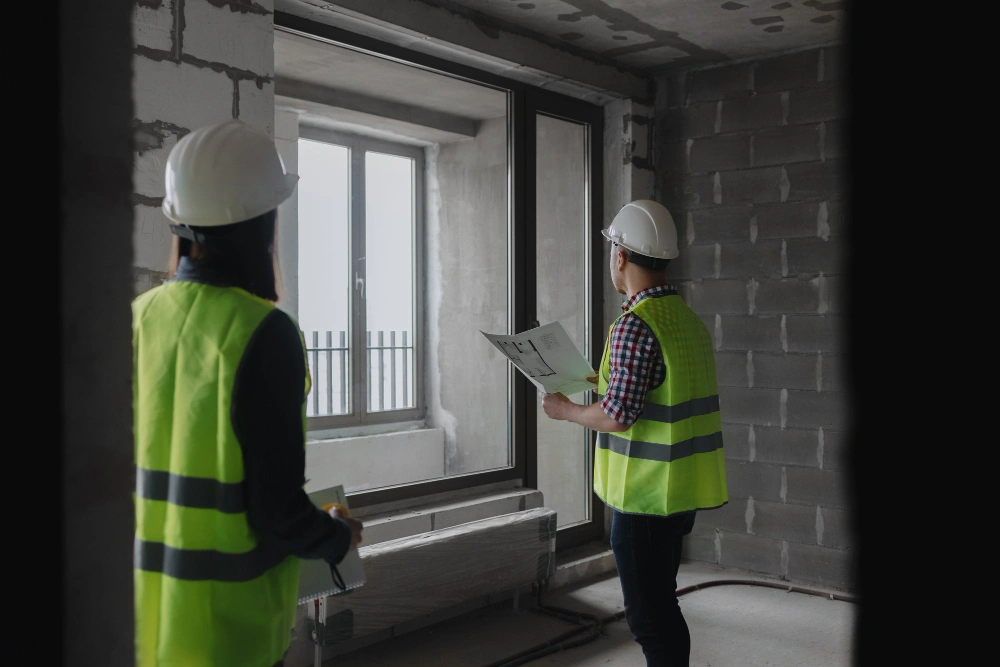
NFPA 80 mandates annual fire door inspections for all commercial buildings with fire-rated assemblies. Property owners must schedule yearly inspections maintaining compliance documentation. Annual inspections identify developing problems, ensure ongoing functionality, and demonstrate regulatory compliance to fire marshals and insurers.
Pre-Fire Marshal Inspections
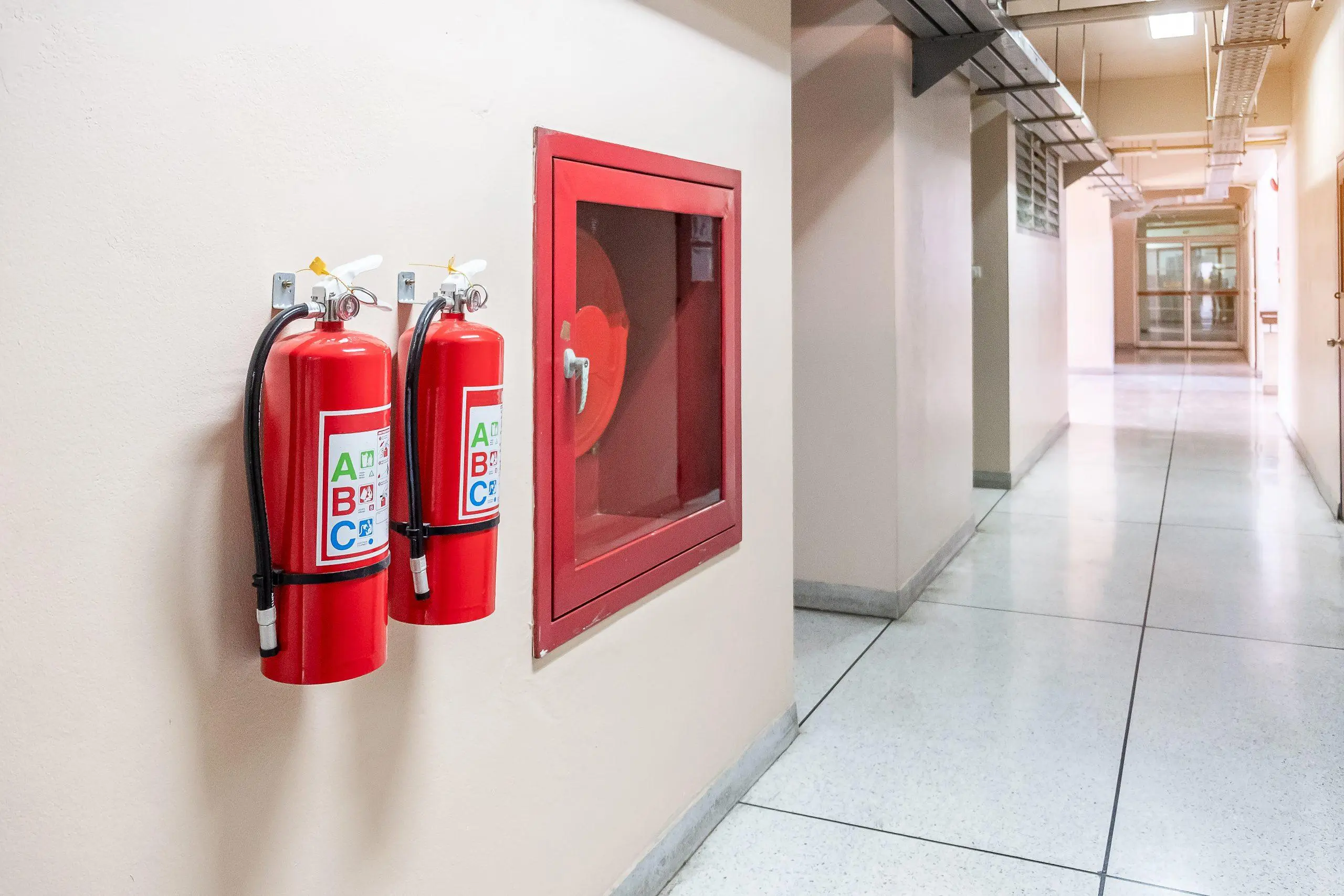
Before fire marshal inspections, property owners benefit from professional pre-inspections identifying and correcting deficiencies. This proactive approach prevents citations, fines, and operational disruptions from fire marshal violations. Pre-inspections allow time for corrections before official enforcement actions.
New Construction & Renovations
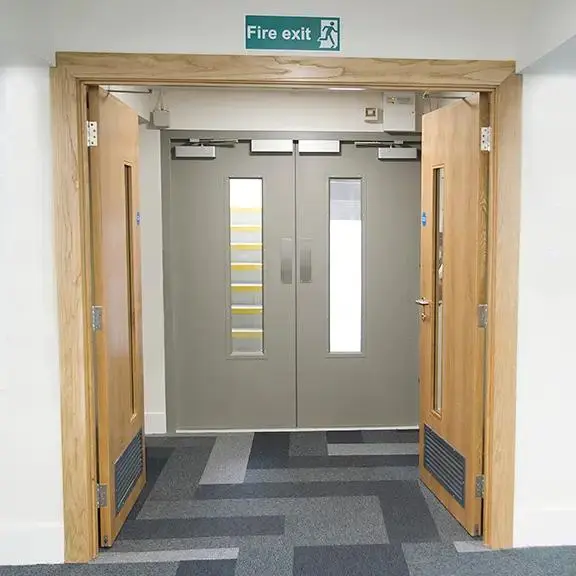
Before Certificate of Occupancy issuance, fire door inspections verify proper installation, labeling, and operation of all fire-rated assemblies. Post-construction inspections identify installation errors requiring correction before building occupancy. Tenant improvement projects affecting fire doors require inspection verification.

Property Acquisitions
Commercial property buyers benefit from fire door inspections during due diligence identifying non-compliant conditions, estimating correction costs, and assessing fire safety maintenance history. Inspection findings support purchase negotiations, identify capital needs, and establish baseline compliance for new ownership.

Insurance Requirements
Some commercial insurance policies require documented fire door inspections and maintenance. Insurers may request inspection records during claims, renewals, or underwriting. Proper fire door maintenance can affect insurance premiums and claims outcomes following fires.
Following Fire Events
After fires or smoke events, fire door inspections verify assemblies weren’t damaged and remain functional. Heat exposure, smoke infiltration, or water damage can compromise fire doors requiring replacement or repair. Post-event inspections document conditions for insurance claims and restoration planning.
Why Property Owners Choose Certified Inspectors
Fire door inspections require specialized knowledge of NFPA 80 standards, fire-rated assembly construction, and life safety code requirements.
NFPA 80 Certified Expertise
Our inspectors maintain NFPA 80 certification and training understanding fire door assembly requirements, testing methodology, and compliance standards. We recognize proper installations, identify violations accurately, and provide technically sound correction recommendations meeting fire marshal expectations.
Comprehensive Assembly Knowledge
We understand fire door assembly components, proper hardware selection, clearance requirements, closing mechanisms, and labeling standards. This comprehensive knowledge ensures thorough inspections identifying all deficiencies affecting fire-rated performance rather than superficial reviews missing critical violations.
Fire Marshal Accepted Documentation
Our inspection reports meet fire marshal documentation requirements including individual door identification, deficiency descriptions, photo documentation, and professional certifications. Reports are formatted for submission to Authority Having Jurisdiction demonstrating annual compliance.
Correction Guidance
We provide specific correction recommendations for identified deficiencies including repair methods, acceptable hardware, and proper adjustment procedures. This guidance helps property owners address violations efficiently without guesswork or multiple correction attempts.
Liability Protection Documentation
Our inspection documentation demonstrates reasonable care in fire door maintenance protecting property owners from liability claims. Annual inspection records show ongoing commitment to life safety maintenance should fires occur despite compliance efforts.
Our Fire Door Inspection Process
We’ve designed our fire door inspection process to provide comprehensive NFPA 80-compliant evaluations documenting compliance and identifying deficiencies requiring correction.
Schedule Your Inspection
Contact us to discuss building size, fire door quantity, and inspection purpose. We’ll provide detailed proposals and coordinate access to all areas containing fire-rated assemblies. We work with facility managers to schedule inspections minimizing operational disruption while accessing all required locations.
Comprehensive Assembly Evaluation
Our NFPA-certified inspector evaluates every fire door assembly following standardized methodology. We test closing mechanisms, verify positive latching, measure clearances, check hardware, document labels, photograph deficiencies, and assess overall assembly integrity. Each door receives individual assessment with pass/fail determination per NFPA 80 criteria.
Receive Detailed Report & Certification
Get comprehensive reports within 5-7 business days with executive summary, door-by-door findings, deficiency documentation, correction recommendations, photo evidence, and professional certification. Reports include compliant assembly documentation and prioritized deficiency lists facilitating systematic corrections.
What Makes Our Fire Door Inspections Different
Fire door inspections require specialized NFPA 80 knowledge, comprehensive assembly understanding, and life safety expertise.
NFPA 80 certified inspectors
Comprehensive assembly component testing
Fire marshal accepted documentation
Door-by-door detailed findings
Specific correction recommendations
Annual compliance certification
Frequently Asked Questions About Fire Door Inspections
Yes. NFPA 80 requires annual inspections of fire door assemblies. Florida Building Code adopts NFPA standards making annual inspections mandatory. Local fire marshals enforce these requirements through routine inspections and complaint investigations. Non-compliance can result in citations and fines.
Identified deficiencies must be corrected to restore fire-rated integrity. Our reports prioritize violations by severity. Critical deficiencies (non-latching, excessive clearances, missing closers) require immediate correction. Minor issues may be addressed systematically. Re-inspection verifies corrections were completed properly.
Duration depends on fire door quantity and building complexity. Individual door inspection takes 5-10 minutes. Small buildings with 10-20 doors may take half day. Large facilities with hundreds of assemblies require multiple days. We provide time estimates during scheduling based on door inventory.
NFPA 80 requires inspections by qualified individuals with adequate training and experience. While maintenance staff can perform routine checks, annual inspections should be conducted by professionals with NFPA 80 certification and comprehensive fire door knowledge ensuring accurate compliance determination and proper documentation.
Costs vary by building size and door quantity. Pricing is typically per door with minimum charges for small buildings. However, inspection costs are minimal compared to fire marshal fines, liability exposure following fires, and potential life safety consequences from non-compliant assemblies.
Maintain annual inspection reports and correction documentation for at least 3-5 years. These records demonstrate ongoing compliance during fire marshal inspections, insurance audits, and property transactions. Documentation proves reasonable care in fire door maintenance protecting owners from liability claims.
Serving South Florida Commercial Buildings
Certified Inspectors provides fire door inspection services throughout Palm Beach County, Broward County, Miami-Dade County, and surrounding South Florida markets.
Schedule Your Fire Door Inspection Today
Don’t risk fire marshal citations, insurance complications, or life safety liability from non-compliant fire doors. Annual NFPA 80 inspections are required by code and essential for occupant protection. Our certified inspectors provide comprehensive fire door evaluations, detailed compliance documentation, and correction guidance ensuring your building meets life safety requirements. Protect occupants and reduce liability with professional fire door inspection services.