Infrared Electrical Inspections in South Florida
Professional thermal imaging electrical system inspections detecting overheating circuits, loose connections, overloaded panels, and fire hazards before failures occur. Advanced infrared thermography preventing electrical fires, equipment damage, and business interruption in commercial and industrial facilities.
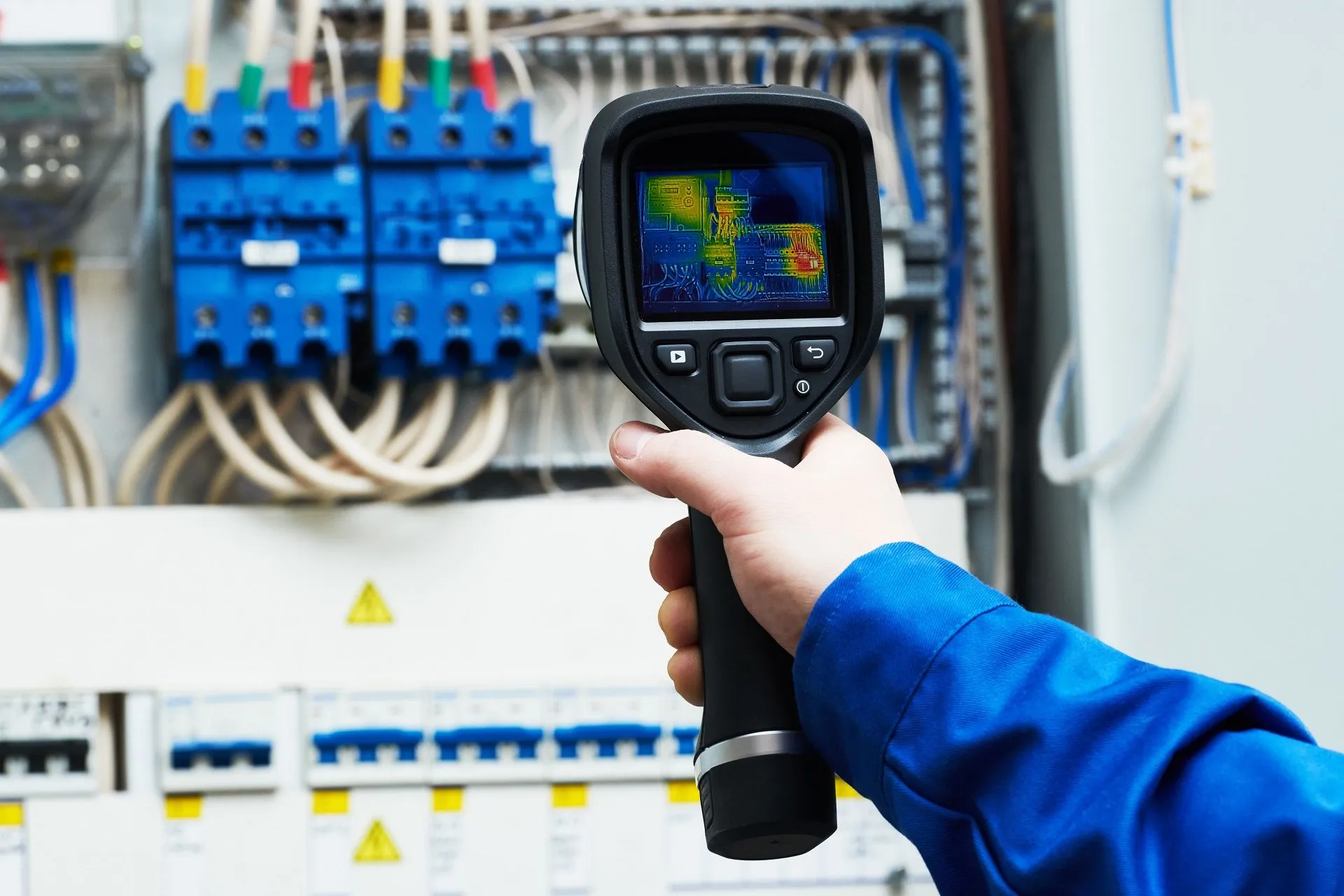
Infrared electrical inspections utilize professional thermal imaging technology detecting electrical system hot spots, overheating components, and fire hazards invisible to visual inspection throughout South Florida commercial, industrial, and residential properties. At Certified Inspectors, our certified thermographers scan electrical panels, switchgear, motor control centers, transformers, disconnect switches, bus bars, and electrical connections identifying dangerous temperature elevations indicating imminent failure. We understand electrical thermal patterns, NFPA 70B recommended practices, insurance company requirements, and preventive maintenance programs. Our infrared electrical surveys support facility maintenance planning, insurance risk management, fire prevention programs, equipment reliability, and business continuity for manufacturing facilities, warehouses, office buildings, data centers, hospitals, schools, and multi-family properties. Thermal electrical inspections prevent catastrophic failures, reduce fire risk, extend equipment life, and avoid costly unplanned downtime throughout South Florida’s commercial and industrial sectors.
Same-Day Reports
Licensed & Insured
5-Star Rated Service
BBB A+ Accredited
We Don’t Just Inspect Properties. We Earn Trust.
Read what homeowners, buyers, sellers, real estate professionals, and commercial clients have to say
about their experience with Certified Inspectors.
What’s Included in Infrared Electrical Inspections
Our infrared electrical inspections provide comprehensive thermal evaluation of electrical systems identifying overheating and fire hazards.
Electrical Panel Thermography
- Main service panel thermal scanning
- Circuit breaker hot spot detection
- Bus bar connection temperatures
- Neutral and ground bar assessment
- Lug and termination point scanning
- Panel enclosure thermal patterns
- Overloaded circuit identification
Switchgear & Distribution Equipment
- Main service panel thermal scanning
- Circuit breaker hot spot detection
- Bus bar connection temperatures
- Neutral and ground bar assessment
- Lug and termination point scanning
- Panel enclosure thermal patterns
- Overloaded circuit identification
Electrical Connections & Terminations
- Loose connection identification
- High-resistance connection detection
- Corroded termination points
- Wire-to-lug connection integrity
- Splice and junction box thermal patterns
- Terminal block condition assessment
Transformers & Power Distribution
- Transformer winding temperature
- Cooling system effectiveness
- Bushing and tap changer condition
- Overload condition detection
- Secondary connection temperatures
- Phase imbalance identification
Motor & Equipment Assessment
- Electric motor bearing temperatures
- Motor winding thermal patterns
- Motor starter and contactor condition
- Pump and fan motor evaluation
- Compressor electrical connections
- Equipment overload detection
Electrical Distribution Components
- Fuses and fuse holders
- Contactors and relays
- Capacitor bank thermal assessment
- Ballasts and lighting circuits
- Power factor correction equipment
- UPS and battery backup systems
Fire Hazard Identification
- Critical temperature elevation detection
- Imminent failure prediction
- Fire risk prioritization
- Arc flash hazard indicators
- Electrical fire prevention recommendations
- Emergency repair priority classification
Comprehensive Thermography Report
- Thermal images with temperature scales
- Digital photographs for comparison
- Temperature differential measurements
- Severity classification per NFPA standards
- Repair recommendations prioritized by risk
- Trend analysis comparing prior inspections
- Certified thermographer analysis and conclusions
When You Need Infrared Electrical Inspections
Infrared electrical thermography serves critical purposes in facility maintenance, fire prevention, and equipment reliability.
Annual Preventive Maintenance Programs
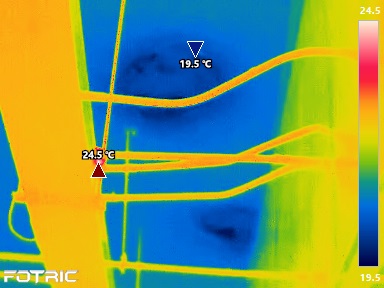
NFPA 70B recommends annual infrared electrical inspections for commercial and industrial facilities. Regular thermal scanning identifies developing problems enabling scheduled repairs preventing catastrophic failures. Annual thermography demonstrates due diligence for insurance compliance, reduces fire risk, and extends equipment service life through proactive maintenance.
Insurance Requirements & Risk Management
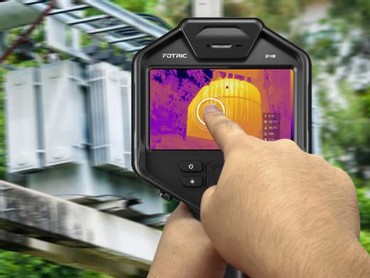
Many commercial property insurance policies require periodic infrared electrical inspections as loss prevention measures. Insurance companies recognize thermography reduces fire risk and equipment damage claims. Some insurers offer premium discounts for facilities implementing regular electrical thermal scanning programs. Inspection documentation supports claims if electrical failures occur despite prevention efforts.
High-Value Equipment Protection
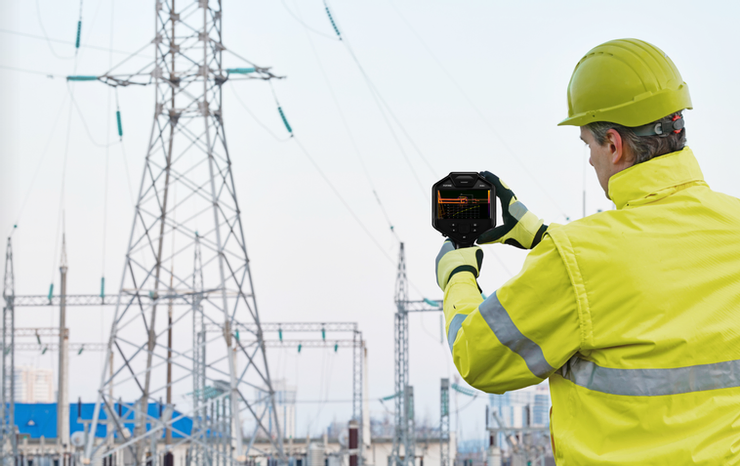
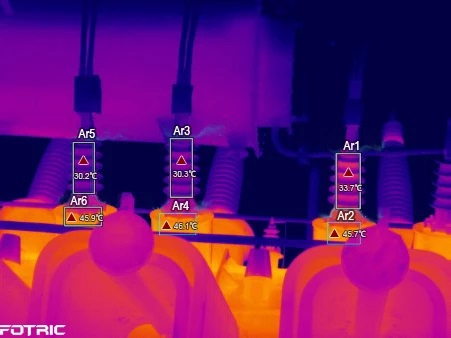
Facilities with expensive electrical equipment, critical production machinery, or sensitive electronic systems benefit enormously from thermal monitoring. Early problem detection prevents equipment damage from electrical faults. Manufacturing facilities, data centers, hospitals, and research facilities protecting million-dollar equipment investments require regular infrared electrical scanning.
Business Continuity & Downtime Prevention
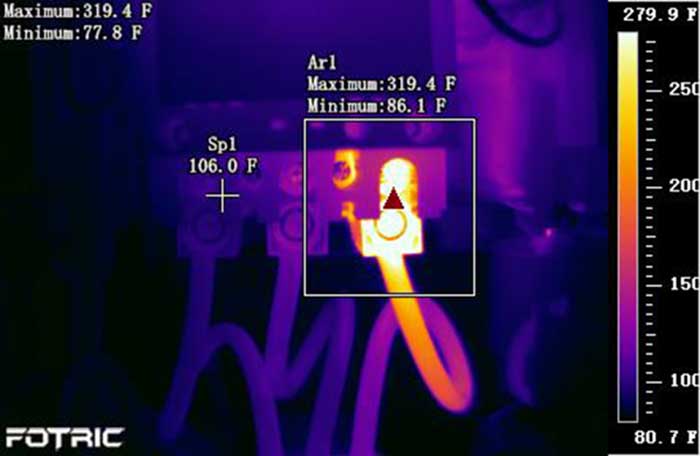
Operations unable to tolerate unplanned electrical failures require predictive maintenance programs. Infrared thermography enables planned repairs during scheduled maintenance preventing unexpected equipment failures disrupting production. Manufacturing, data centers, hospitals, and continuous-process facilities need regular thermal electrical scanning protecting business continuity.
Facility Acquisitions & Due Diligence
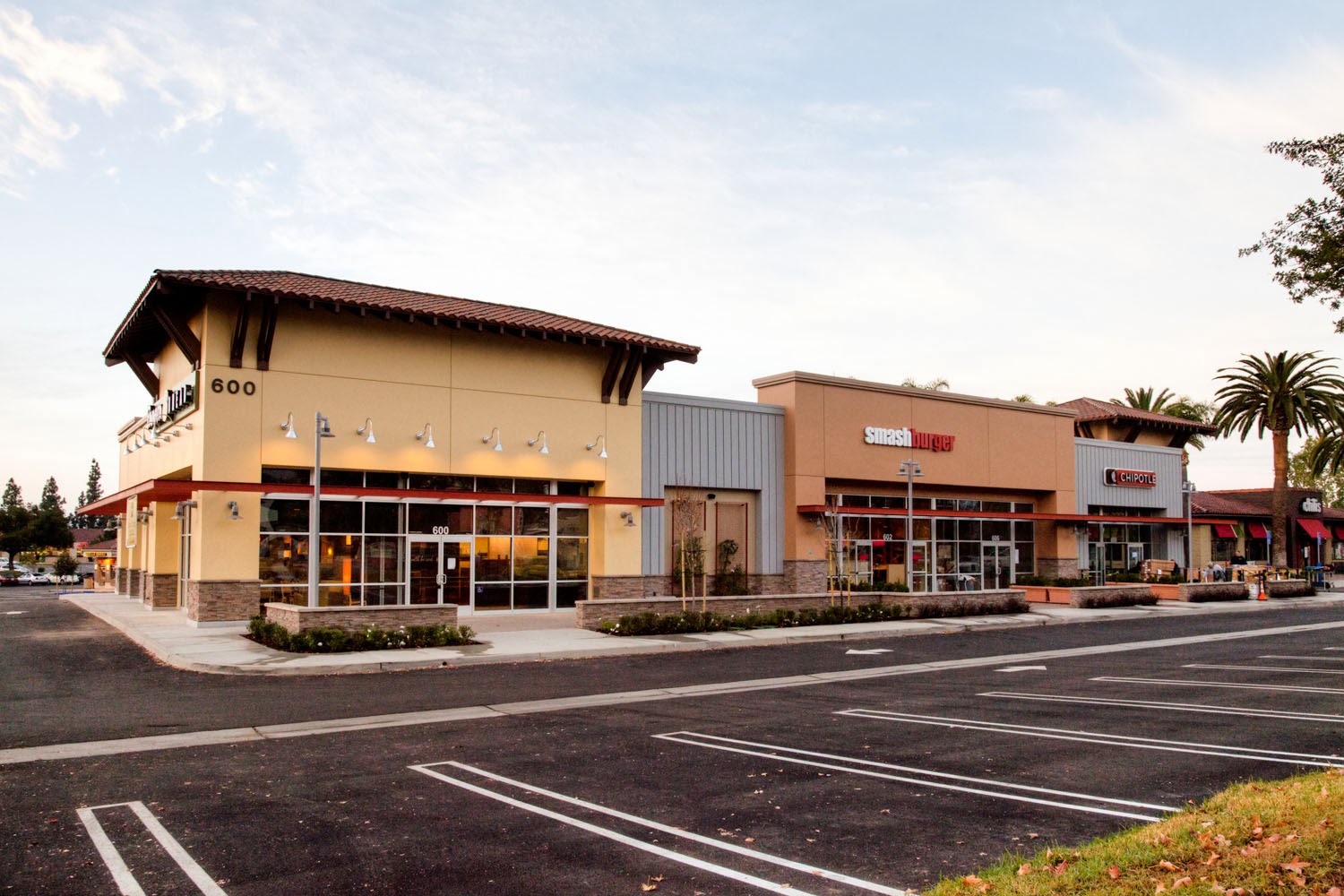
Commercial property buyers conduct infrared electrical inspections during due diligence documenting electrical system condition, identifying deferred maintenance, and quantifying capital improvement needs. Thermal evidence of electrical problems supports purchase price negotiations or identifies deal-breaker conditions requiring electrical system upgrades before acquisition.
Post-Installation Verification
Following electrical system installations, renovations, or panel additions, infrared thermography verifies proper installation quality. Thermal scanning reveals installation defects including loose connections, improper torque, and workmanship issues enabling correction while contractors remain engaged. Quality verification prevents long-term reliability problems from installation errors.
Why Facility Managers Choose Certified Inspectors
Infrared electrical inspections require certified thermography expertise, electrical knowledge, and professional equipment.
Certified Electrical Thermographer
Our inspectors maintain professional electrical thermography certification demonstrating competency in thermal electrical inspection methodology, pattern interpretation, and NFPA 70B compliance. Certification ensures proper scanning techniques, accurate severity classification, and defensible conclusions supporting maintenance decisions and insurance requirements.
Electrical Systems Knowledge
Effective electrical thermography requires understanding electrical theory, power distribution, equipment operation, and failure mechanisms. Our inspectors possess comprehensive electrical knowledge enabling accurate thermal pattern interpretation. We distinguish between thermal signatures indicating actual problems versus benign temperature variations from normal equipment operation.
Professional FLIR Thermal Cameras
We utilize professional-grade FLIR infrared cameras with temperature measurement accuracy and sensitivity detecting subtle electrical problems consumer cameras miss. Professional radiometric cameras provide precise temperature measurement enabling NFPA severity classification. Equipment quality directly impacts problem detection reliability and measurement accuracy.
Safety-First Approach
Electrical thermography involves working around energized high-voltage equipment requiring strict safety protocols. Our thermographers follow NFPA 70E electrical safety requirements, maintain proper personal protective equipment (PPE), and understand arc flash hazards. Safety training protects our inspectors and facility personnel during thermal scanning operations.
Comprehensive Repair Recommendations
We provide detailed repair recommendations prioritized by severity and fire risk. Reports specify problem locations, temperature measurements, recommended corrective actions, and repair urgency. Comprehensive documentation supports maintenance planning, contractor bid solicitation, and follow-up verification ensuring identified problems receive appropriate correction.
Our Infrared Electrical Inspection Process
We’ve designed our infrared electrical inspection process to provide comprehensive thermal evaluation under normal operating conditions.
Inspection Planning & Coordination
Contact us to discuss facility type, electrical equipment, inspection scope, and scheduling requirements. We coordinate with facility managers and electricians ensuring equipment operates under normal loads during scanning. We discuss safety protocols, required PPE, and access requirements for all electrical equipment locations.
Comprehensive Thermal Scanning
Our certified thermographer conducts systematic thermal imaging of all electrical panels, switchgear, transformers, motor control centers, and distribution equipment under energized conditions. We capture thermal images, digital photographs, and temperature measurements documenting all hot spots and temperature anomalies. Inspection duration varies by facility size and equipment quantity.
Detailed Thermography Report Delivery
Receive comprehensive infrared electrical inspection reports within 3-5 business days (critical findings reported immediately). Reports include thermal images with temperature scales, comparison photographs, temperature measurements, NFPA severity classifications, repair recommendations prioritized by risk, and thermographer analysis. Documentation supports maintenance planning and insurance compliance.
What Makes Our Electrical Thermography Different
Infrared electrical inspections require certified expertise, professional equipment, and electrical systems knowledge.
Certified electrical thermographer credentials
Comprehensive electrical systems knowledge
Professional-grade FLIR cameras
NFPA 70B severity classification
Safety-first energized equipment protocols
Fire prevention focus and prioritization
Frequently Asked Questions About Electrical Thermography
NFPA 70B recommends annual infrared electrical inspections as minimum standard. Critical equipment or high-risk facilities may warrant semi-annual or quarterly scanning. Newly installed systems benefit from 30-day and 6-month post-installation verification. Inspection frequency balances equipment criticality, failure consequences, and maintenance budget constraints.
Thermal imaging detects heat-generating electrical problems including loose connections, overloads, and component degradation representing majority of electrical failures. However, not all electrical defects create thermal signatures before failure. Some problems develop rapidly between inspections. Thermography significantly reduces but doesn’t eliminate electrical failure risk. Integration with comprehensive electrical maintenance provides best protection.
Yes, when performed by trained professionals following NFPA 70E electrical safety standards. Thermal imaging is non-contact technology maintaining safe distance from energized equipment. Certified thermographers use appropriate personal protective equipment (PPE) and follow arc flash safety protocols. Professional electrical thermography is substantially safer than traditional hands-on electrical inspection methods.
Costs vary by facility size, equipment quantity, and complexity. Small commercial facilities may cost $500-1,500. Large industrial facilities range $2,500-10,000+. However, thermography costs are minimal compared to prevented failures. Single prevented electrical fire, equipment failure, or production downtime incident typically saves thousands to millions justifying regular thermal inspection programs.
No. Infrared electrical inspections occur on energized equipment under normal operating loads. Equipment must operate during scanning revealing actual thermal patterns under typical conditions. Thermal imaging doesn’t require shutdown, production interruption, or equipment de-energization. Non-contact infrared technology enables comprehensive assessment without disrupting operations.
Yes. Many insurance companies require infrared electrical inspections as loss prevention measures. Reports from certified thermographers following NFPA 70B standards satisfy insurance requirements. Some insurers offer premium discounts for facilities maintaining regular thermal inspection programs. Documentation demonstrates due diligence supporting favorable underwriting and claims handling.
Serving South Florida Commercial & Industrial Facilities
Certified Inspectors provides infrared electrical inspection services throughout Palm Beach County, Broward County, Miami-Dade County, and surrounding South Florida commercial and industrial markets.
Schedule Your Infrared Electrical inspections Today
Don’t wait for electrical fires, equipment failures, or production downtime to discover electrical problems. Professional infrared electrical thermography detects overheating circuits, loose connections, and fire hazards before catastrophic failures occur. Our certified thermographers utilize professional FLIR equipment and electrical expertise providing comprehensive thermal surveys meeting NFPA 70B standards and insurance requirements. Whether implementing preventive maintenance programs, satisfying insurance mandates, protecting critical equipment, or ensuring business continuity, infrared electrical inspection delivers essential protection for your facility and operations.