Infrared Mechanical System Inspections in South Florida
Professional thermal imaging mechanical equipment inspections detecting bearing failures, motor overheating, pump inefficiencies, HVAC problems, and energy waste before catastrophic failures occur. Advanced infrared thermography enabling predictive maintenance, reducing downtime, and extending equipment life in commercial and industrial facilities.
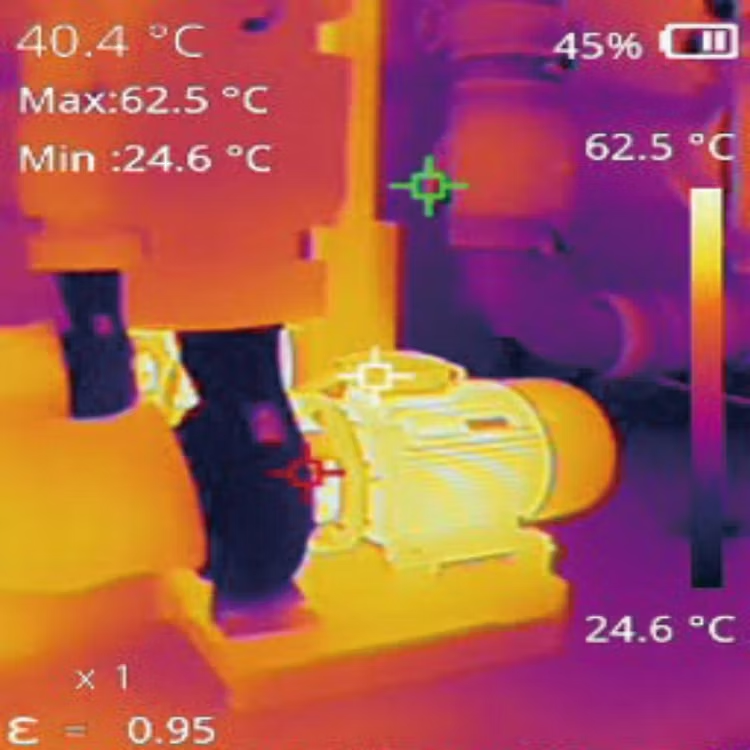
Infrared mechanical inspections utilize professional thermal imaging technology detecting temperature anomalies in rotating equipment, HVAC systems, compressed air systems, process equipment, and mechanical infrastructure throughout South Florida commercial and industrial facilities. At Certified Inspectors, our certified thermographers scan motors, bearings, pumps, compressors, fans, blowers, gearboxes, couplings, and belt drives identifying overheating conditions, lubrication deficiencies, misalignment, imbalance, and efficiency problems before equipment failures disrupt operations. We understand mechanical thermal patterns, predictive maintenance principles, vibration correlation, and energy efficiency optimization. Our infrared mechanical surveys support reliability-centered maintenance programs, energy audits, equipment condition monitoring, and capital planning for manufacturing facilities, warehouses, hospitals, hotels, office buildings, and industrial plants. Thermal mechanical inspections prevent unexpected downtime, reduce maintenance costs, extend equipment service life, and improve energy efficiency throughout South Florida’s commercial and industrial sectors.
Same-Day Reports
Licensed & Insured
5-Star Rated Service
BBB A+ Accredited
We Don’t Just Inspect Properties. We Earn Trust.
Read what homeowners, buyers, sellers, real estate professionals, and commercial clients have to say
about their experience with Certified Inspectors.
What’s Included in Infrared Mechanical Inspections
Our infrared mechanical inspections provide comprehensive thermal evaluation of mechanical systems identifying inefficiencies and impending failures.
Motor & Bearing Assessment
- Electric motor bearing temperature monitoring
- Motor winding thermal patterns
- Bearing lubrication deficiency detection
- Bearing wear and degradation indicators
- Motor overload condition identification
- Cooling fan effectiveness assessment
- Shaft misalignment thermal signatures
HVAC System Evaluation
- Air handler and fan coil unit performance
- Compressor discharge temperature assessment
- Condenser coil thermal patterns
- Evaporator coil effectiveness
- Refrigerant line temperature verification
- Belt drive and pulley condition
- Supply and return air temperature differential
Pump & Compressor Monitoring
- Centrifugal pump bearing temperatures
- Pump seal and packing box thermal assessment
- Compressor bearing and cylinder evaluation
- Reciprocating compressor thermal patterns
- Screw compressor discharge temperatures
- Vacuum pump condition monitoring
- Pump cavitation and performance issues
Belt Drive Systems
- V-belt and serpentine belt condition
- Belt tension and alignment assessment
- Pulley bearing temperature monitoring
- Belt slippage thermal indicators
- Misalignment detection
- Excessive friction identification
Gearbox & Coupling Inspection
- Gearbox housing temperature patterns
- Bearing and gear mesh thermal signatures
- Lubrication adequacy assessment
- Coupling alignment verification
- Flexible coupling condition
- Overload and efficiency problems
Process Equipment Assessment
- Heat exchanger effectiveness evaluation
- Valve body and stem temperatures
- Steam trap operation verification
- Insulation effectiveness assessment
- Pipe and flange thermal patterns
- Process vessel thermal distribution
Energy Efficiency Analysis
- Energy waste identification
- Insulation deficiency detection
- Steam and hot water system losses
- Compressed air leak thermal signatures
- Cooling tower efficiency assessment
- Equipment operating efficiency optimization
Comprehensive Mechanical Report
- Energy waste identification
- Insulation deficiency detection
- Steam and hot water system losses
- Compressed air leak thermal signatures
- Cooling tower efficiency assessment
- Equipment operating efficiency optimization
When You Need Infrared Mechanical Inspections
Infrared mechanical thermography serves critical purposes in reliability-centered maintenance and energy management.
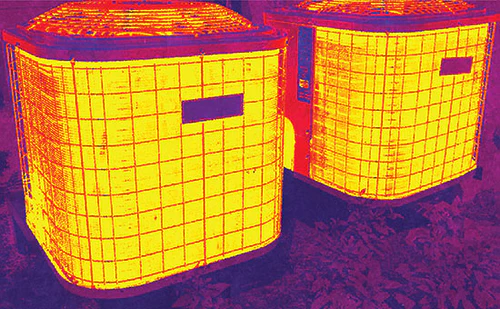
Reliability-Centered Maintenance Programs
Manufacturing facilities, hospitals, hotels, and continuous-process operations implement periodic infrared mechanical inspections as preventive maintenance. Regular thermal scanning identifies developing problems enabling proactive repairs preventing unplanned equipment failures disrupting operations. Quarterly or semi-annual thermography programs maximize equipment reliability while minimizing maintenance costs.
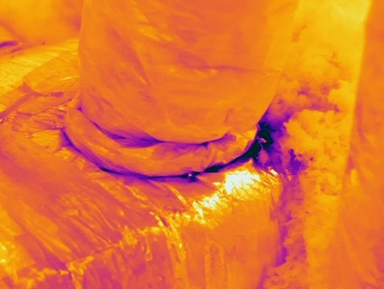
Critical Equipment Monitoring
Operations depending on specific critical equipment benefit from frequent thermal monitoring. Central chiller plants, main air compressors, process pumps, and production machinery require close monitoring. Monthly or quarterly infrared inspections of critical equipment detect problems early preventing costly production interruptions.
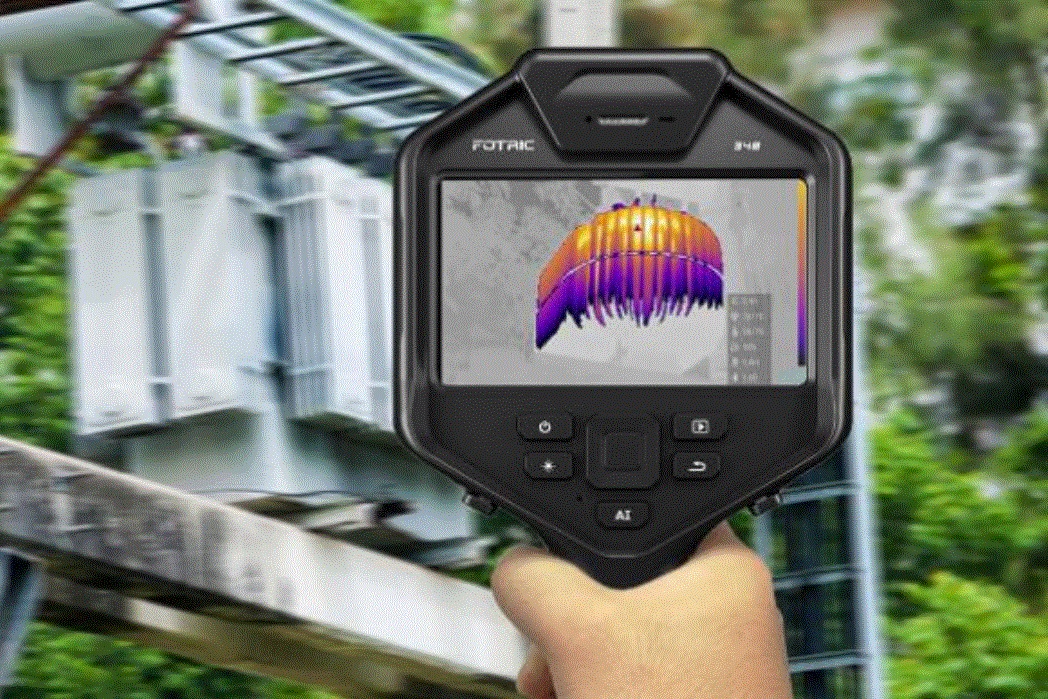
Energy Efficiency Optimization
Facilities with high energy costs benefit from thermal imaging identifying energy waste. Infrared surveys detect excessive equipment operating temperatures, insulation deficiencies, steam system losses, and process inefficiencies. Energy audits using thermal imaging prioritize efficiency improvements maximizing energy savings return on investment.
New Equipment Commissioning
Following equipment installation or system startup, infrared thermography verifies proper commissioning. Thermal scanning reveals installation problems including misalignment, improper lubrication, and assembly defects enabling correction during warranty periods. Commissioning verification prevents premature failures from installation errors.
Facility Acquisitions & Assessments
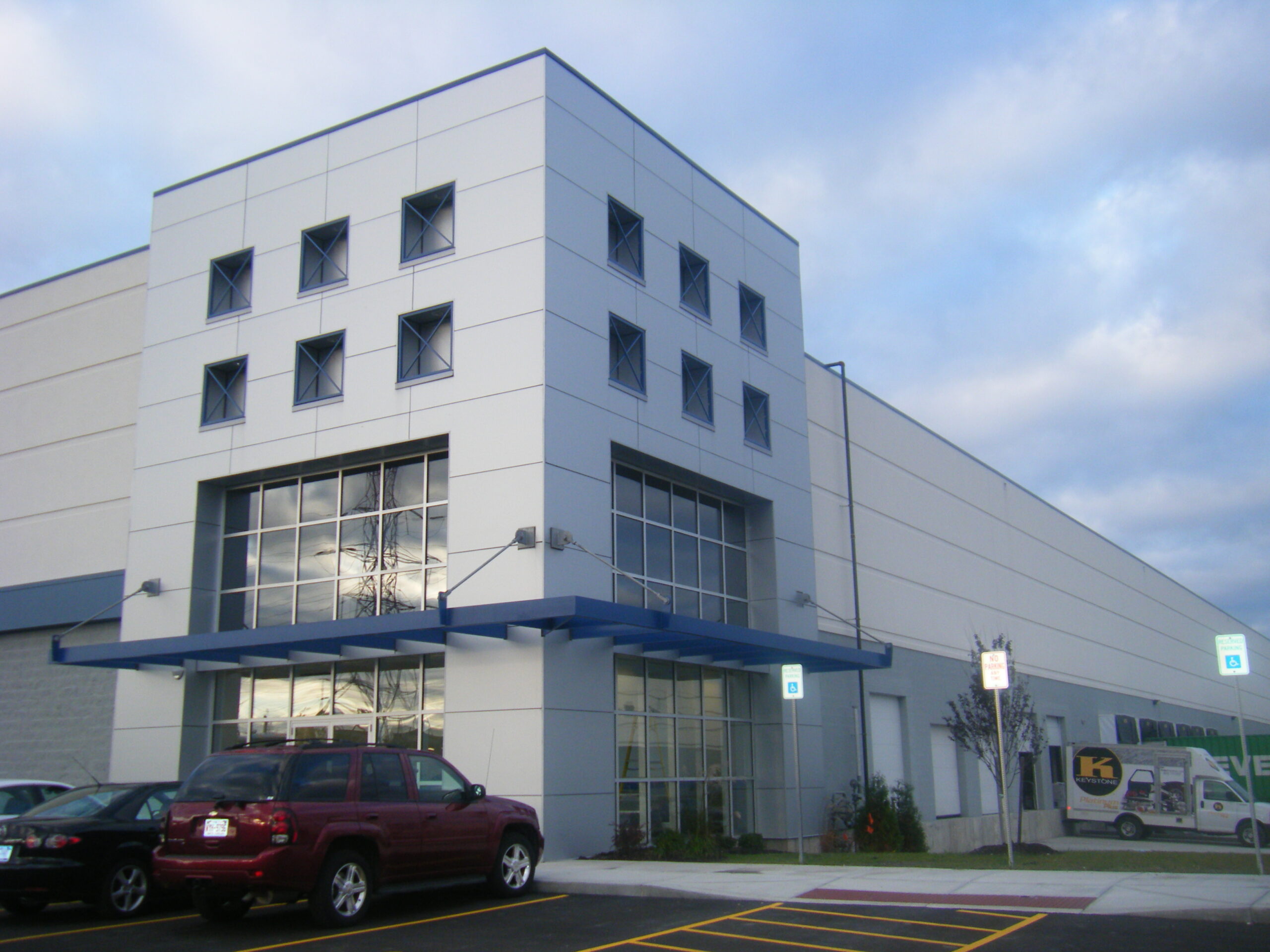
Commercial property buyers and industrial facility acquirers conduct infrared mechanical surveys during due diligence documenting equipment condition, identifying deferred maintenance, and quantifying capital improvement needs. Thermal evidence of mechanical problems supports purchase negotiations or identifies concerning conditions affecting acquisition decisions.
Troubleshooting Recurring Problems
When equipment experiences repeated failures, overheating, or performance degradation, infrared thermography often reveals root causes. Thermal imaging identifies operating problems, installation deficiencies, and design issues traditional troubleshooting methods miss. Comprehensive thermal assessment enables effective problem resolution.
Why Facility Managers Choose Certified Inspectors
Infrared mechanical inspections require specialized thermography training, mechanical knowledge, and professional equipment.
Certified Mechanical Thermographer
Our inspectors maintain professional mechanical thermography certification demonstrating competency in rotating equipment evaluation, thermal pattern interpretation, and predictive maintenance methodology. Certification ensures proper scanning techniques, accurate problem diagnosis, and defensible conclusions supporting maintenance decisions.
Rotating Equipment Expertise
Effective mechanical thermography requires understanding rotating equipment operation, failure mechanisms, lubrication principles, and mechanical systems. Our inspectors possess comprehensive mechanical knowledge enabling accurate thermal pattern interpretation. We distinguish between thermal signatures indicating actual problems versus normal operating temperature variations.
Professional FLIR Equipment
We utilize professional-grade FLIR thermal cameras with temperature accuracy and sensitivity detecting subtle mechanical problems consumer cameras miss. Professional radiometric cameras enable precise temperature measurement and trend analysis. Equipment quality directly impacts problem detection reliability and diagnosis accuracy.
Comprehensive Condition Monitoring
We provide equipment-by-equipment thermal analysis documenting baseline temperatures, identifying anomalies, and tracking temperature trends over time. Comprehensive monitoring enables early problem detection and failure prediction. Trending analysis reveals gradual deterioration patterns warranting proactive maintenance.
Actionable Maintenance Recommendations
We provide specific maintenance recommendations prioritized by severity and failure risk. Reports identify problem locations, probable causes, recommended corrective actions, and repair urgency. Comprehensive documentation supports maintenance planning, work order generation, and follow-up verification ensuring identified problems receive appropriate correction.
Our Infrared Mechanical Inspection Process
We’ve designed our infrared mechanical inspection process to provide comprehensive thermal evaluation under normal operating conditions.
Inspection Planning & Equipment Identification
Contact us to discuss facility type, equipment inventory, critical assets, and inspection objectives. We coordinate with maintenance staff identifying equipment for thermal scanning and ensuring systems operate under normal loads during inspection. We review prior inspection data establishing baseline comparisons and trending requirements.
Comprehensive Thermal Equipment Scan
Our certified thermographer conducts systematic thermal imaging of motors, bearings, pumps, compressors, HVAC equipment, belt drives, and process machinery under normal operating conditions. We capture thermal images, digital photographs, and temperature measurements documenting all temperature anomalies and equipment thermal patterns. Inspection duration varies by facility size and equipment quantity.
Detailed Mechanical Thermography Report
Receive comprehensive infrared mechanical inspection reports within 3-5 business days (critical findings reported immediately). Reports include thermal images with temperature measurements, comparison photographs, equipment-by-equipment analysis, severity classifications, maintenance recommendations prioritized by risk, trend analysis, and thermographer conclusions. Documentation supports predictive maintenance programs and work order planning.
What Makes Our Mechanical Thermography Different
Infrared mechanical inspections require certified expertise, rotating equipment knowledge, and professional thermal equipment.
Certified mechanical thermographer credentials
Rotating equipment and HVAC expertise
Professional-grade FLIR cameras
Predictive maintenance focus
Equipment trending and analysis
Energy efficiency optimization
Frequently Asked Questions About Mechanical Thermography
Critical equipment warrants monthly or quarterly thermal monitoring. General facility equipment benefits from semi-annual or annual infrared inspections. Newly installed equipment should receive 30-day and 6-month commissioning verification. Inspection frequency balances equipment criticality, failure consequences, and maintenance resources.
Bearing temperatures 10-20°C above ambient are typically normal. Temperatures 20-40°C above ambient indicate developing issues requiring monitoring. Temperatures 40-60°C above ambient represent serious conditions needing prompt maintenance. Temperatures exceeding 60°C above ambient indicate critical conditions requiring immediate attention preventing catastrophic failure.
Thermal imaging detects heat-generating mechanical problems including bearing failures, lubrication deficiencies, misalignment, overload, and friction representing majority of mechanical failures. However, some problems develop without thermal signatures. Integration with vibration analysis provides comprehensive condition monitoring. Thermography significantly reduces but doesn’t eliminate mechanical failure risk.
Infrared mechanical inspections typically detect developing problems weeks to months before failure depending on problem progression rate and severity. Bearing lubrication deficiencies may provide 2-6 month warning. Overload conditions develop more rapidly. Regular periodic thermography maximizes advance warning time enabling proactive maintenance scheduling.
No. Equipment must operate during thermal scanning revealing actual operating thermal patterns. Thermography occurs on running equipment under normal operating loads. Non-contact infrared technology enables comprehensive assessment without shutdown, disassembly, or production interruption. Operating equipment thermal scanning provides realistic condition assessment.
Costs vary by facility size and equipment quantity. Small facilities with 20-50 pieces of equipment may cost $800-2,000. Large industrial facilities range $3,000-15,000+. However, thermography preventing single catastrophic equipment failure typically saves thousands to hundreds of thousands justifying regular thermal inspection investment.
Serving South Florida Industrial & Commercial Facilities
Certified Inspectors provides infrared mechanical inspection services throughout Palm Beach County, Broward County, Miami-Dade County, and surrounding South Florida commercial and industrial markets.
Schedule Your Infrared Mechanical Inspections Today
Don’t wait for catastrophic equipment failures, production downtime, or expensive emergency repairs to discover mechanical problems. Professional infrared mechanical thermography detects bearing failures, motor overheating, pump inefficiencies, and HVAC problems before failures disrupt operations. Our certified thermographers utilize professional FLIR equipment and mechanical expertise providing comprehensive thermal surveys enabling predictive maintenance, reducing downtime, and extending equipment life. Whether implementing reliability-centered maintenance, protecting critical equipment, optimizing energy efficiency, or preventing unplanned failures, infrared mechanical inspection delivers essential protection for your facility operations.