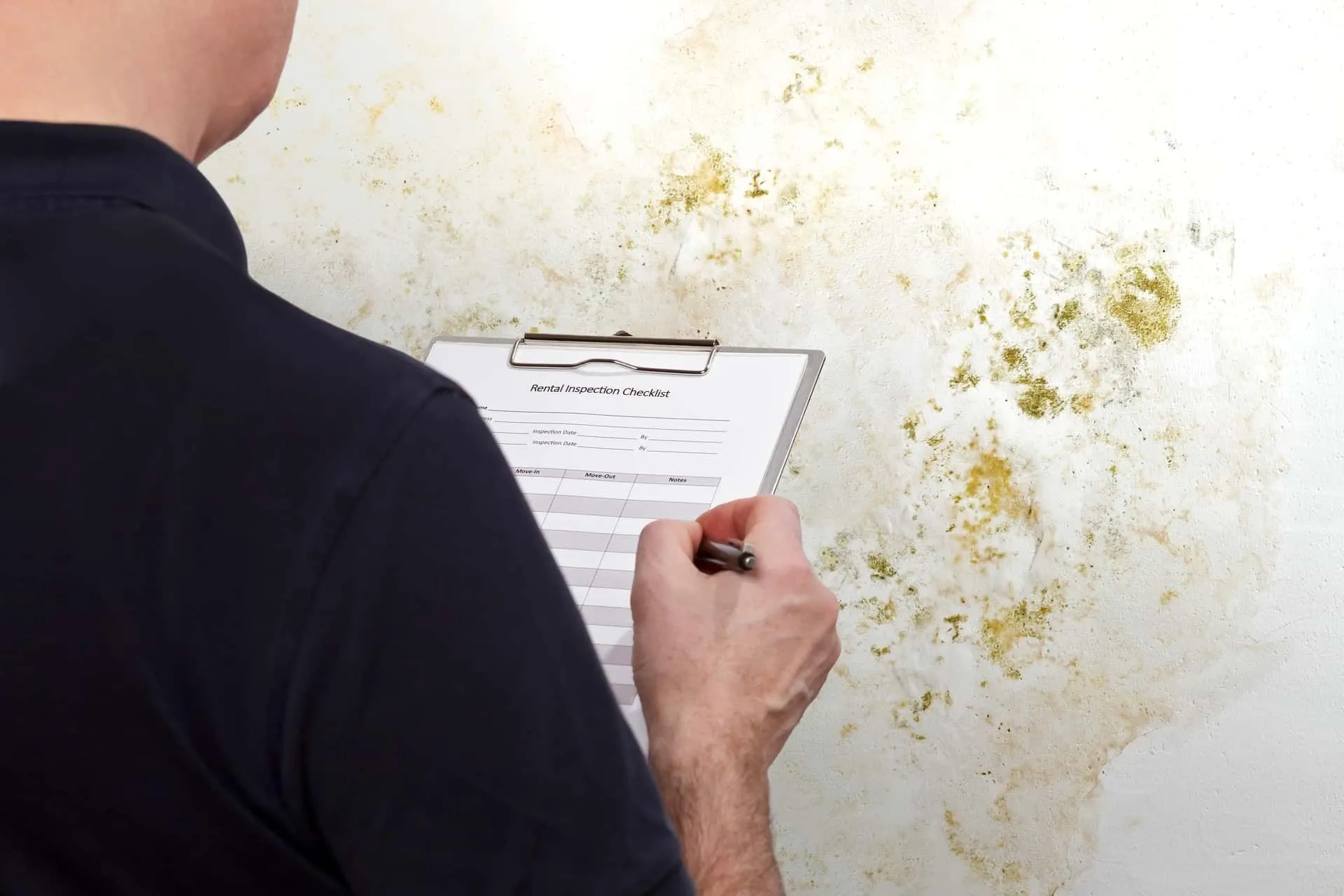
VOC Testing & Air Quality Analysis Services in South Florida
Professional Volatile Organic Compound (VOC) testing services identifying harmful airborne chemicals, evaluating indoor air quality, and providing health-protective recommendations protecting building occupants from toxic chemical exposure throughout South Florida homes, offices, and commercial facilities.
VOC testing services provide comprehensive indoor air quality evaluation identifying volatile organic compounds emitted from building materials, furnishings, cleaning products, and household chemicals creating health risks for building occupants. At Certified Inspectors, our specialists protect South Florida homes and workplaces by testing for harmful chemical emissions like formaldehyde, benzene, toluene, and other common toxins. We ensure full compliance with EPA guidelines and OSHA standards, helping to safeguard vulnerable populations, manage new construction off-gassing, and clear post-renovation spaces for safe occupancy. Whether you are dealing with unexplained illnesses or need material selection guidance, our professional testing identifies hidden chemical exposures to ensure a healthier indoor environment.
Same-Day Reports
Licensed & Insured
5-Star Rated Service
BBB A+ Accredited
We Don’t Just Inspect Properties. We Earn Trust.
Read what homeowners, buyers, sellers, real estate professionals, and commercial clients have to say
about their experience with Certified Inspectors.
What’s Included in VOC Testing Services
Our VOC testing provides comprehensive indoor air quality evaluation identifying harmful chemical exposures.
Comprehensive VOC Air Sampling
- Whole-air canister sampling for VOC analysis
- Sorbent tube sampling for specific compounds
- Multiple room sampling throughout property
- Bedroom and living area priority sampling
- Timed sampling duration 8-24 hours
- Closed-building conditions during sampling
- Temperature and humidity monitoring
- Chain of custody documentation
Formaldehyde Testing and Analysis
- Formaldehyde-specific air sampling
- DNPH cartridge collection method
- Composite wood product emissions evaluation
- Insulation off-gassing assessment
- New furniture formaldehyde contribution
- EPA action level 0.1 ppm comparison
- CARB Phase 2 compliance verification
- Health risk assessment at detected levels
Benzene, Toluene, Xylene Analysis
- BTEX compound identification and quantification
- Benzene detection and health risk evaluation
- Toluene concentration measurement
- Xylene isomer identification
- Ethylbenzene assessment
- Paint and solvent source identification
- Gasoline and fuel storage contamination
- EPA reference concentration comparison
Total VOC Measurement
- Total volatile organic compound quantification
- TVOC concentration in micrograms per cubic meter
- German Federal Environment Agency guidelines
- LEED Indoor Air Quality credit requirements
- Building occupancy readiness determination
- Post-construction air quality verification
- Green building certification support
Common Household VOC Detection
- Styrene from building materials and plastics
- Perchloroethylene from dry cleaning
- Methylene chloride from paint strippers
- Chloroform from water and household products
- 1,4-Dichlorobenzene from air fresheners
- Limonene from cleaning products
- Alpha-pinene from wood products
- Acetone from nail polish and cleaners
Building Material Emissions Testing
- New carpet and padding off-gassing
- Paint and coating VOC emissions
- Adhesive and sealant contributions
- Vinyl flooring and luxury vinyl plank emissions
- Composite wood and engineered lumber
- Insulation material off-gassing
- Cabinetry and millwork emissions
- Window treatments and fabric VOCs
Source Identification and Investigation
- VOC source tracking and identification
- Material-specific emission profiles
- Renovation activity contribution assessment
- Product use pattern evaluation
- Garage and storage area contamination
- Attached garage vehicle emissions
- Hobby and craft material identification
- Targeted remediation recommendations
EPA-Accredited Laboratory Analysis
- NELAP-accredited laboratory processing
- Gas chromatography-mass spectrometry analysis
- EPA Method TO-15 compliance
- Individual compound quantification
- Detection limits in parts per billion
- Quality assurance and quality control
- Certified laboratory report delivery
Health Risk Assessment
- Detected concentrations versus health guidelines
- EPA Reference Concentration comparison
- OSHA Permissible Exposure Limit evaluation
- Carcinogenic compound identification
- Acute versus chronic exposure concerns
- Sensitive population vulnerability assessment
- Cumulative exposure risk evaluation
- Occupancy safety determination
When Properties Need VOC Testing
VOC testing serves critical purposes protecting building occupants from harmful chemical exposures.
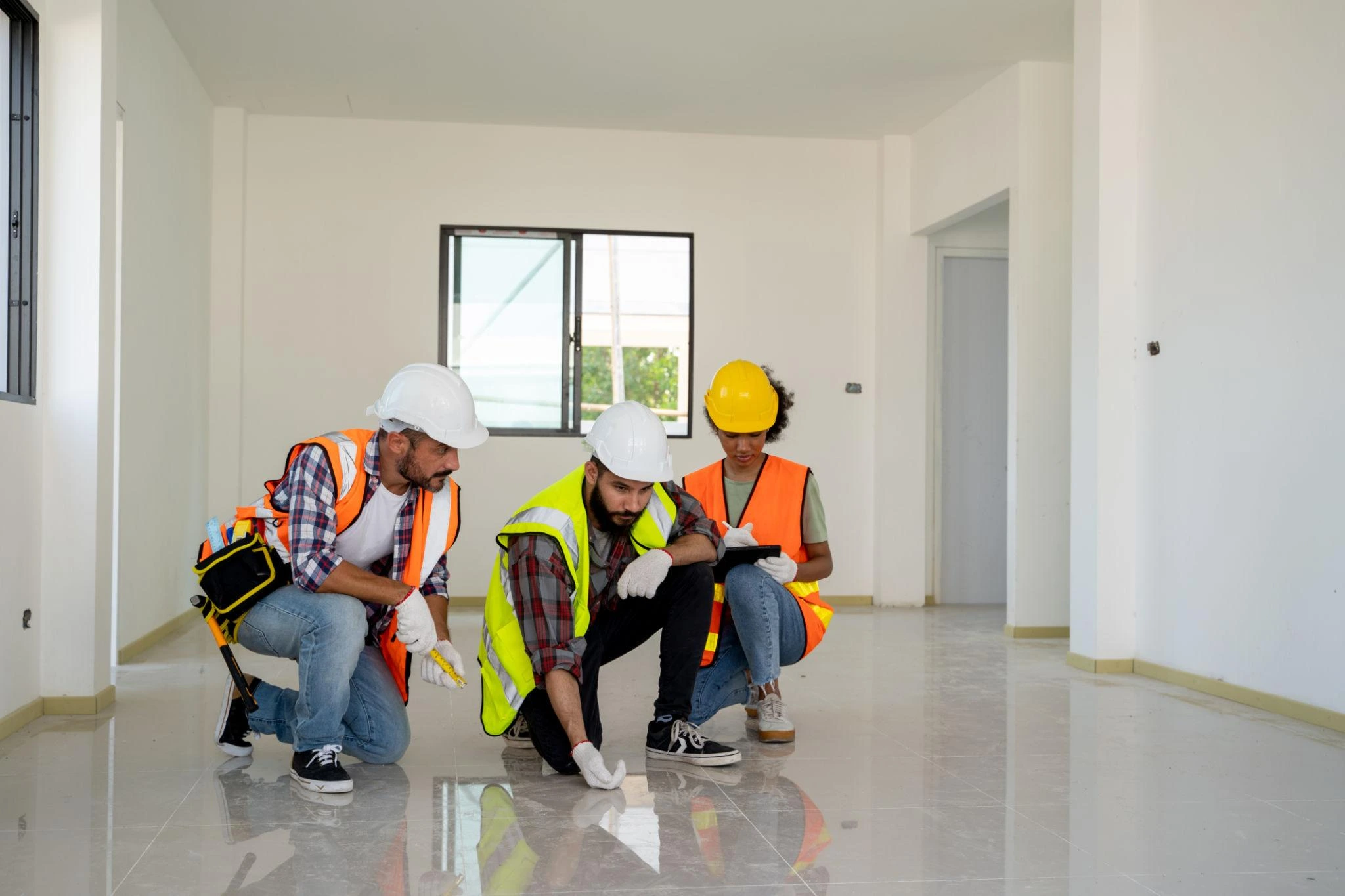
New Construction Occupancy Verification
New construction requires VOC testing before occupancy verifying acceptable air quality after building material off-gassing. Fresh paints, adhesives, carpets, and building products emit high VOC levels immediately after installation. Closed buildings during construction concentrate emissions. Post-construction testing ensures levels declined to safe ranges. Green building certifications including LEED require air quality testing documenting acceptable VOC concentrations. Professional testing protects occupants from excessive exposures during highest emission periods enabling safe occupancy timing.

Post-Renovation Air Quality Assessment
Renovation projects using paints, adhesives, flooring, and building materials create elevated VOC levels requiring post-work testing. Interior painting contributes significant VOCs even with low-VOC paints. New flooring installations emit formaldehyde and other compounds. Cabinet replacement introduces composite wood emissions. Professional testing verifies adequate off-gassing occurred before re-occupancy protecting residents from unhealthy exposures after renovation completion.

Unexplained Health Symptoms Investigation
Building occupants experiencing unexplained headaches, respiratory irritation, fatigue, or allergic symptoms require VOC testing investigating potential chemical exposures. Sick building syndrome often correlates with elevated VOC concentrations. Chemical sensitivity individuals react to low VOC levels not affecting others. Professional testing identifies chemical exposures enabling targeted remediation. Source removal often resolves symptoms confirming VOC causation protecting affected individuals.
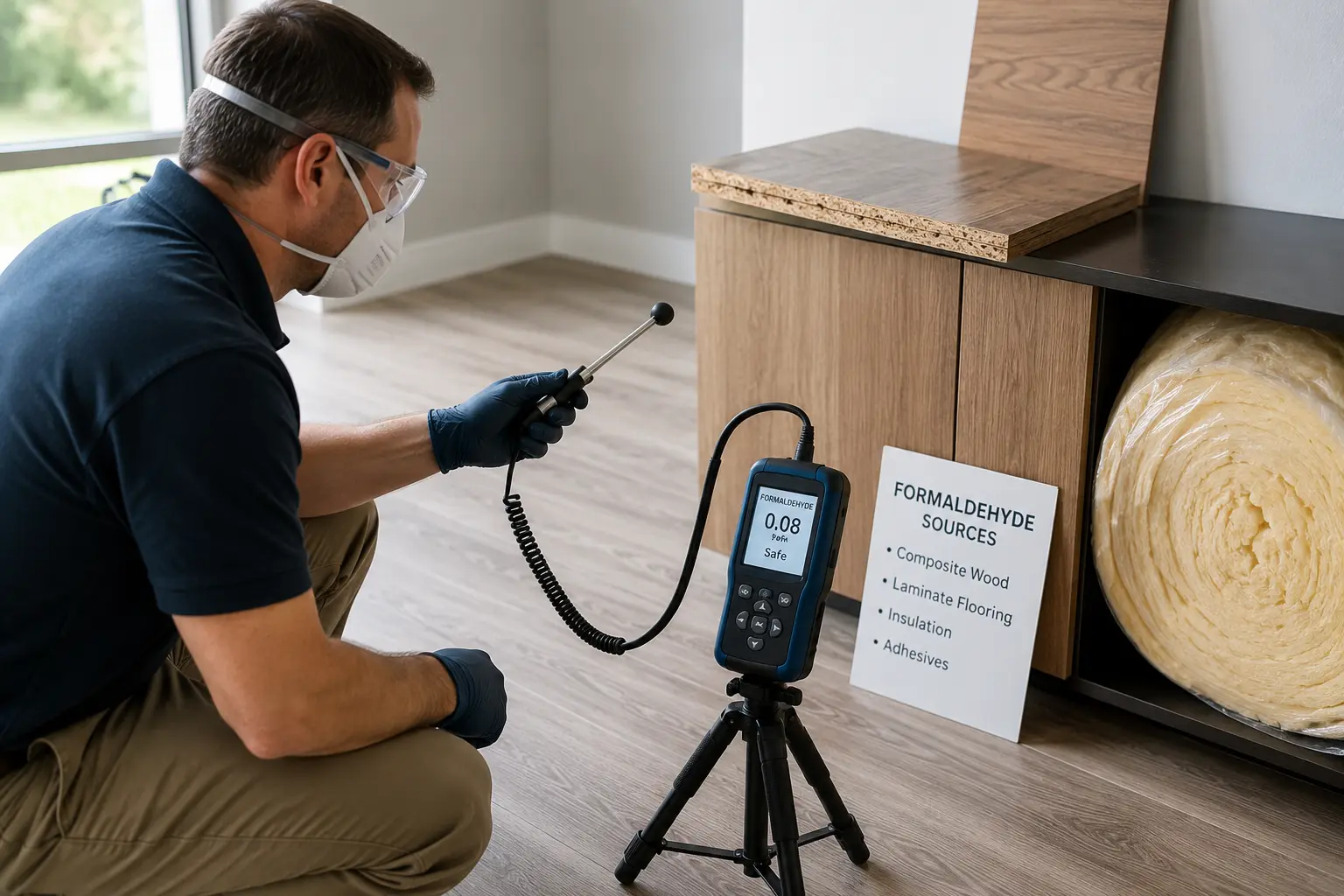
Suspected Formaldehyde Exposure
Properties with new composite wood products, laminate flooring, or insulation require formaldehyde testing assessing health risks. Formaldehyde complaints regarding Chinese laminate flooring demonstrated dangers from high-emission products. FEMA trailer formaldehyde problems raised awareness of composite wood risks. Eye and respiratory irritation suggest formaldehyde exposure. Professional formaldehyde-specific testing identifies excessive levels requiring material removal protecting occupants from carcinogenic exposures.
Chemical Sensitivity Evaluation
Individuals with chemical sensitivities or multiple chemical sensitivity require VOC testing identifying triggering exposures. Even low VOC concentrations affecting most people create symptoms in sensitized individuals. Identifying specific compounds enables targeted avoidance and remediation. Professional testing documents exposures supporting medical evaluation and workplace accommodation requests protecting chemically sensitive persons.

Green Building Certification Requirements
LEED and other green building certifications require indoor air quality testing including VOC measurement. LEED Indoor Environmental Quality credits demand VOC testing verifying acceptable concentrations before occupancy. Testing must occur after construction completion with building systems operational. Professional VOC testing provides certification documentation demonstrating indoor air quality compliance protecting building certifications and occupant health throughout green building projects.
Why Property Owners Choose Certified Inspectors
VOC testing requires environmental expertise, proper sampling methodology, and laboratory analysis.o
Environmental Testing Certification
Our certified specialists strictly follow EPA sampling protocols to ensure accurate, representative data. We partner exclusively with NELAP-accredited laboratories using EPA-approved methods to guarantee legally defensible results.
EPA-Accredited Laboratory Partnership
We evaluate detected chemical concentrations against EPA guidelines and occupational exposure limits. This science-based risk assessment accounts for cumulative exposures and vulnerable populations to protect building occupants.
Proper Sampling Methodology
If elevated VOC levels are found, we provide practical, targeted recommendations to restore your air quality. Our guidance outlines clear source-removal priorities, ventilation improvements, and low-VOC material selection.
Health Risk Assessment Expertise
We compare chemical concentrations against EPA guidelines and exposure limits. This science-based risk assessment protects occupants by accounting for cumulative exposures and vulnerable populations.
Comprehensive Remediation Guidance
We provide practical recommendations to restore safe indoor air quality when high VOC levels are found. Our guidance covers source-removal priorities, ventilation improvements, and low-VOC product choices.
Our VOC Testing Process
We’ve designed our testing process to provide accurate VOC assessment and practical recommendations.
Consultation & Sampling Plan Development
Contact us to discuss your VOC testing needs, property characteristics, and health concerns. We will create a custom sampling plan that identifies specific rooms, testing durations, and compounds of interest while providing all necessary pre-sampling instructions.
Air Sample Collection & Lab Submission
Our specialists will visit your property to set up advanced air sampling equipment for an 8-to-24-hour test under closed-building conditions. All collected samples are secured via a strict chain of custody and sent to an EPA-accredited laboratory for expert analysis.
Results Analysis & Recommendation Delivery
Receive a comprehensive report within 7–10 business days detailing compound concentrations, health risk assessments, and comparisons to EPA guidelines. We provide prioritized remediation steps, source identification, and ventilation guidance to guarantee a healthier indoor environment.
What Makes Our VOC Testing Different
VOC testing requires environmental expertise, proper methodology, and accurate laboratory analysis.
Environmental testing certification
EPA-accredited laboratory analysis
Proper sampling methodology
Health risk assessment expertise
Comprehensive remediation guidance
Green building certification support
Frequently Asked Questions About VOC Testing
VOC testing typically costs $400-800 for standard residential properties with 2-3 room sampling. Comprehensive whole-house testing with 4-6 rooms costs $800-1,200. Formaldehyde-only testing costs $250-400 per sample location. Commercial properties cost $1,000-3,000+ depending on size and sampling requirements. Laboratory analysis represents majority of cost using sophisticated instrumentation. Investment protects health preventing exposures to harmful chemicals. Professional testing provides accurate assessment enabling appropriate responses protecting building occupants.
VOC air sampling requires 8-24 hours collection time with building closed. Sampling equipment installation takes 1-2 hours. Sample recovery requires 1 hour. Laboratory analysis requires 5-7 business days after sample receipt. Total timeline from sampling to results typically 7-10 business days. Rush analysis available for additional cost reducing turnaround to 3-5 days. Professional testing balances thoroughness with timely results supporting occupancy decisions.
Safe VOC levels depend on specific compounds and exposure duration. Total VOC below 300 micrograms per cubic meter generally acceptable. Formaldehyde below 0.1 ppm recommended by EPA. Individual VOCs compared to EPA Reference Concentrations and OSHA exposure limits. No completely safe threshold exists for carcinogens like benzene. Lower concentrations always preferable especially for sensitive populations. Professional assessment evaluates detected levels against health guidelines determining acceptable exposures protecting building occupants.
VOC reduction strategies improve air quality without testing but testing verifies effectiveness and identifies sources. Increased ventilation dilutes VOCs. Low-VOC product selection reduces emissions. Source removal eliminates high-emission materials. However, testing identifies which sources contribute significantly versus minor contributors. Testing verifies remediation effectiveness confirming acceptable levels achieved. Professional testing optimizes improvement efforts protecting health through targeted effective remediation.
Re-testing recommended after remediation verifying effectiveness, after significant renovations or new furnishings, when health symptoms develop suggesting new exposures, and every 2-3 years for properties with previous elevated levels. New construction requires post-occupancy verification testing. VOC levels change with product replacements and building modifications. Professional re-testing ensures continued acceptable air quality protecting building occupants over time.
Consumer VOC meters provide general indication but lack accuracy for health assessment. Most use photoionization detectors responding to many compounds without identifying specific VOCs. Calibration and interference issues affect accuracy. Consumer devices cannot distinguish formaldehyde from other VOCs. Professional laboratory analysis using gas chromatography-mass spectrometry provides compound-specific quantification needed for health risk assessment. Accurate testing requires proper sampling and certified laboratory analysis protecting health through reliable results.
Serving South Florida Properties
Certified Inspectors provides VOC testing and indoor air quality services throughout Palm Beach County, Broward County, Miami-Dade County, and surrounding South Florida communities.
Schedule Your VOC Air Quality Testing Today
Don’t risk building occupant health from volatile organic compound exposures. Professional VOC testing identifies harmful airborne chemicals, evaluates formaldehyde and other toxic compounds, provides health risk assessment, and recommends effective remediation strategies protecting indoor air quality throughout South Florida properties. Our environmental specialists deliver EPA-approved sampling methodology, NELAP-accredited laboratory analysis, comprehensive compound identification, health guideline comparison, source identification support, and practical improvement recommendations supporting safe building occupancy and healthy indoor environments. Whether verifying new construction air quality, investigating health symptoms, assessing post-renovation conditions, or supporting green building certification, professional VOC testing protects building occupants through accurate assessment enabling targeted effective improvements reducing harmful chemical exposures throughout residential homes, commercial offices, schools, and all occupied buildings requiring healthy indoor air quality.