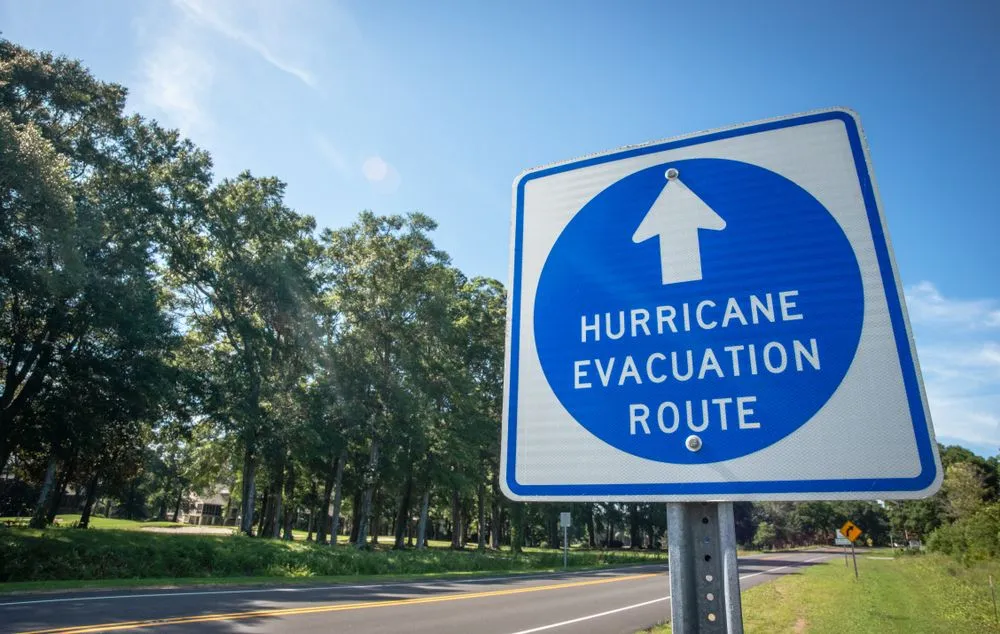
This is the updated paragraph. It’s essential to prepare for natural disasters, especially during hurricane season when the risk of natural disasters is heightened.
At the same time, the safety of your family is also in jeopardy, so you should do everything in your power to prepare for a natural disaster and the potential for future natural disasters.
Continue reading this post to learn about the steps you should take to protect your family and property during the next natural disaster. We’ll also address how disaster inspections can help you avoid health concerns after the brunt of natural disasters has passed.
Here’s what you should do:
Natural disasters can strike suddenly, making preparation crucial.
Preparedness can significantly reduce the impacts of natural disasters.
When facing natural disasters, understanding risks is vital.
1. Create an evacuation plan
An effective evacuation plan hinges on being aware of your vulnerabilities. For instance, if you live in a coastal area, you’ll likely experience plenty of flooding. On the other hand, citizens of Florida Keys have limited methods of evacuating the area.
Knowing about the hazards you’ll face helps you prepare your evacuation route before time. You also need to pay close attention to the weather forecasts and take advice from local emergency officials to heart – especially if they recommend the citizens to evacuate. Map out your escape route and plan alternative routes if any roads are closed.
Choose the destination beforehand and make the necessary arrangements. The best solution is staying with family or friends. Consider going to a shelter only as a last resort, and make sure you know what you can bring with you.
Most shelters don’t accept pets, so you need to make arrangements with a pet-friendly shelter if you’re bringing your animals with you.
Natural disasters often require quick thinking and effective planning.
Be aware of natural disasters and their potential impact on your community.
Last but certainly not least, have a clear family communication plan if you’re separated from your family members.
2. Prepare a life kit
It’s also essential to put together a bag filled with items critical for everyday usage and your health and survival.
We recommend stocking up on the following items:
- Week’s worth of water and nonperishable food
- Full tank of gas
- Spare car and home keys
- Plenty of cash in case banks and ATMs are unavailable
- Weekly supply of medical supplies and any prescription medications you’re using
- Spare batteries and cell phone chargers
- Hygiene items include toilet paper, first aid kits, baby wipes, hand sanitizer, disinfecting wipes, feminine products
- Flashlights with spare batteries
- Emergency radio
- Documents such as personal identification, credit card information, insurance policies, etc.
With these items on hand, you can prepare for almost any scenario you may experience during your evacuation.
3. Use a checklist to ensure you don’t forget anything
It’s easy to plan out catastrophe scenarios in the safety of your home. However, doing such a thing in the heat of the moment is a recipe for disaster. This is why you should use a checklist to make sure you don’t forget any crucial items when preparing for adverse situations.
You can create your own or use a checklist created by the American Red Cross.
4. Be creative
You don’t have to break the bank to acquire the needed resources. For example, you can collect soda bottles you have lying around and fill them with water instead of buying gallon jugs. You can also visit a local food bank to find nonperishable food.
Creativity is also important if you don’t have reliable transportation. Register with your local authorities and notify them that you lack transportation out of the area.
Creating a checklist for natural disasters can enhance your preparedness.
In case of natural disasters, having a plan can save lives.
5. Prepare your home for the disaster
Even if you evacuate, your humble abode will have to stay behind and take the full force of the storm. This is why you should take some extra precautions to minimize the damage.
Roofs are exposed to strong winds and rain, so it’s not uncommon for them to be completely devastated in a hurricane. The biggest problem here is that a damaged roof will leave your home open and vulnerable to water – which can cause thousands of dollars of property damage.
This is why you should inspect your roof before the hurricane season and potentially install wind mitigation features that will increase your roof’s resistance to storms.
You should also replace any missing braces, find leaks, and seal them to minimize water intrusion. Furthermore, you can reduce the damage by replacing or caulking any loose shingles.
Natural disasters demand that you balance urgency with careful planning.
Your roof is not the only weak spot, though. Doors and windows are also susceptible to damage, particularly from flying projectiles that are very frequent during fast winds. This is why it’s recommended you install storm shutters or at least cover your windows with plywood to make them less vulnerable.
While we’re on the topic of projectiles, did you know your outdoor furnishings can damage your home? If let loose, items such as patio furniture, barbeque grills, and potted plants can all become lethal weapons during a hurricane.
To avoid losing these items, bring them inside where they’ll be safe. You should also anchor any outdoor structures such as tool sheds or carports.
What to do if your home is damaged?
Once you return to your property, you have no idea what to expect. Don’t be surprised if your home is flooded. Naturally, you’ll most likely file an insurance claim to recover damages, but if your home was affected by flooding as a result of a natural disaster, you’ll have to take it a step further.
Even if you remove all wet materials as fast as possible, there’s still a high chance that your home is not yet safe to inhabit.
Flood waters are usually contaminated with dangerous bacteria, and can even contain petroleum, ammonia, and hydrocarbons, to name a few dangerous substances. As a result, these contaminants can soak into the flooring and wall framing and continue emitting dangerous gasses.
This is why you should consider a comprehensive Disaster Response inspection that will test for harmful bacteria, mold, and other volatile organic compounds. That way, you can rule out the possibility of any contaminants staying hidden in your home, thus ensuring the safety of your family for years to come.
Keep yourself safe with our Disaster Response Inspection
Using the tips provided above, you can save your loved ones from harm and protect your home (as much as possible, depending on the circumstances) from damage.
With Certified Inspectors and our disaster inspections, you can also see to it that your home is safe to inhabit long after the worst has passed. We believe Florida citizens deserve the best, and the services we provide are nothing short of that.
With our wealth of experience accumulated over almost three decades and the sheer number of our certifications, you can rest assured your property is in good hands.
Call us at (561) 589-3174 or fill out our contact form to schedule a Disaster Response inspection.
