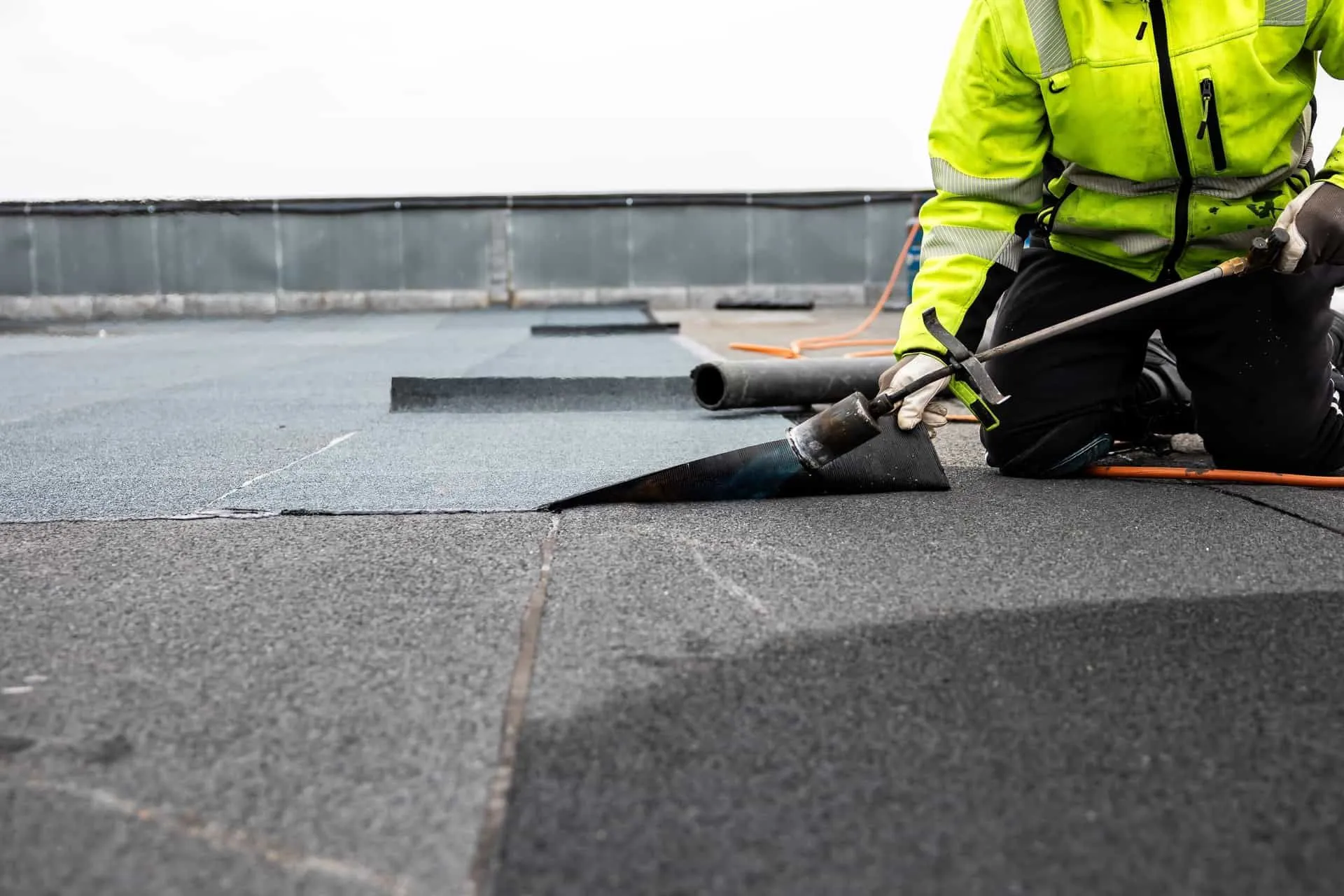
If you’re looking for an affordable and easy-to-install roofing option in Florida, roll roofing might be worth considering. This type of roofing is often chosen for smaller projects or buildings where aesthetics are not the primary concern.
But before you decide if this roofing option is right for you, it’s important to understand its pros and cons and whether it’s suitable for Florida’s unique climate.
What is it?
This material comes in long rolls, usually about 36 inches wide. It’s made of the same materials as asphalt shingles but in a more straightforward, rolled form. It’s often used for flat or low-slope roofs, sheds, garages, and other small structures. Unlike traditional shingles that are applied one by one, this material is applied in sheets, making installation quicker and less expensive.
Pros of Roll Roofing
There are several advantages to choosing roll roofing for specific projects:
1.Affordability: One of the most significant advantages of this roofing option is its cost. It is significantly cheaper than other types of roofing, such as metal or tile. This makes it a good option for homeowners on a budget or for smaller buildings where spending a lot on roofing doesn’t make sense.
2. Easy Installation: This type of roofing is one of the most accessible types of installation. It’s lightweight and can be applied directly to the roof deck or over existing roofing material. Installing it can be a weekend project for someone with basic DIY skills. This is particularly helpful for homeowners looking to save on labor costs.
3. Quick Repairs: This material comes in large sheets, so it’s easier to repair than other roofing types. If a section gets damaged, you can replace just that portion without re-roofing the entire structure. This can be especially handy in Florida, where storms and hurricanes cause roof damage.
4. Versatility: This roofing option can be used on various structures, including residential homes, garages, sheds, and commercial buildings. It’s most commonly used on flat or low-slope roofs, often found on smaller buildings in Florida.
Cons of Roll Roofing
Despite its benefits, this roofing type also has some downsides to consider:
1.Limited Lifespan: This option typically lasts between 5 and 10 years, which is much shorter than other roofing options. In Florida, where the sun’s UV rays and heavy rains can damage roofs, you may need to replace them sooner than in other areas.
2. Less Durable: This type of roofing is less durable than other materials like shingles, metal, or tiles. It’s more prone to tearing, cracking, and leaking, especially under harsh weather conditions. Given Florida’s frequent storms and high winds, durability is a crucial factor to consider.
3. Aesthetics: This type of roofing is less attractive than other materials. It comes in limited color options, and because it’s applied in large sheets, it doesn’t have the textured look of shingles or tiles. It might not be the best choice for homes where curb appeal is essential.
4. Not Ideal for High-Slope Roofs: This roofing option works best on flat or low-slope roofs. If your home has a high-slope roof, it may not be practical for shedding water, leading to leaks and other issues. This is particularly important in Florida, where heavy rainfall is expected.
Is Roll Roofing Suitable for Florida’s Climate?
Florida’s hot, humid climate and the risk of tropical storms and hurricanes make roofing decisions especially important. While this option has its advantages, there are a few things to keep in mind when considering it for Florida:
1.Heat and UV Resistance: This material can be vulnerable to the intense Florida sun. Over time, UV rays can cause it to crack or degrade faster. If you choose it, you may need to apply a protective coating to extend its lifespan.
2. Wind Resistance: Florida is known for its high winds during hurricane season. This roofing option, especially if not properly installed, may not hold up well against strong winds. It’s crucial to ensure that the material is securely fastened and that high-quality adhesives are used to prevent it from peeling or lifting.
3. Rain and Water Drainage: Florida sees a lot of rain, particularly during summer. This option is not the best for high-slope roofs, as it doesn’t allow proper water drainage. This can lead to pooling water, leaks, and water damage. However, it can be practical for low-slope or flat roofs if installed correctly and regularly maintained.
When Should You Consider Roll Roofing?
This roofing type can be a good option in certain situations. However, it’s essential to pair it with regular roofing inspections to ensure its longevity and effectiveness. For example:
- Sheds and Garages: Roll roofing offers an affordable and quick solution for roofing a small structure like a shed or garage.
- Temporary Fix: If you plan to renovate or replace your roof soon but need a quick fix, roll roofing can be a temporary solution.
- Low-Slope Roofs: Roll roofing works best on flat or low-slope roofs where water drainage is less of a concern.
However, for larger residential homes in Florida, especially those with high-sloped roofs, more durable options like asphalt shingles or metal roofing may be a better investment.
Conclusion: Is it Worth It?
This roofing option is worth considering for specific projects, particularly those that require a low-cost, quick solution. It works best on small structures with flat or low-slope roofs and can be an excellent temporary fix.
However, there may be better choices for long-term use on residential homes, especially in Florida’s challenging climate. Before deciding, it’s essential to weigh the pros and cons and consider whether this option will meet your needs in the long run.
If you’re seeking expert advice on the best roofing option for your home, contact Certified Inspectors for a professional roof evaluation today!
