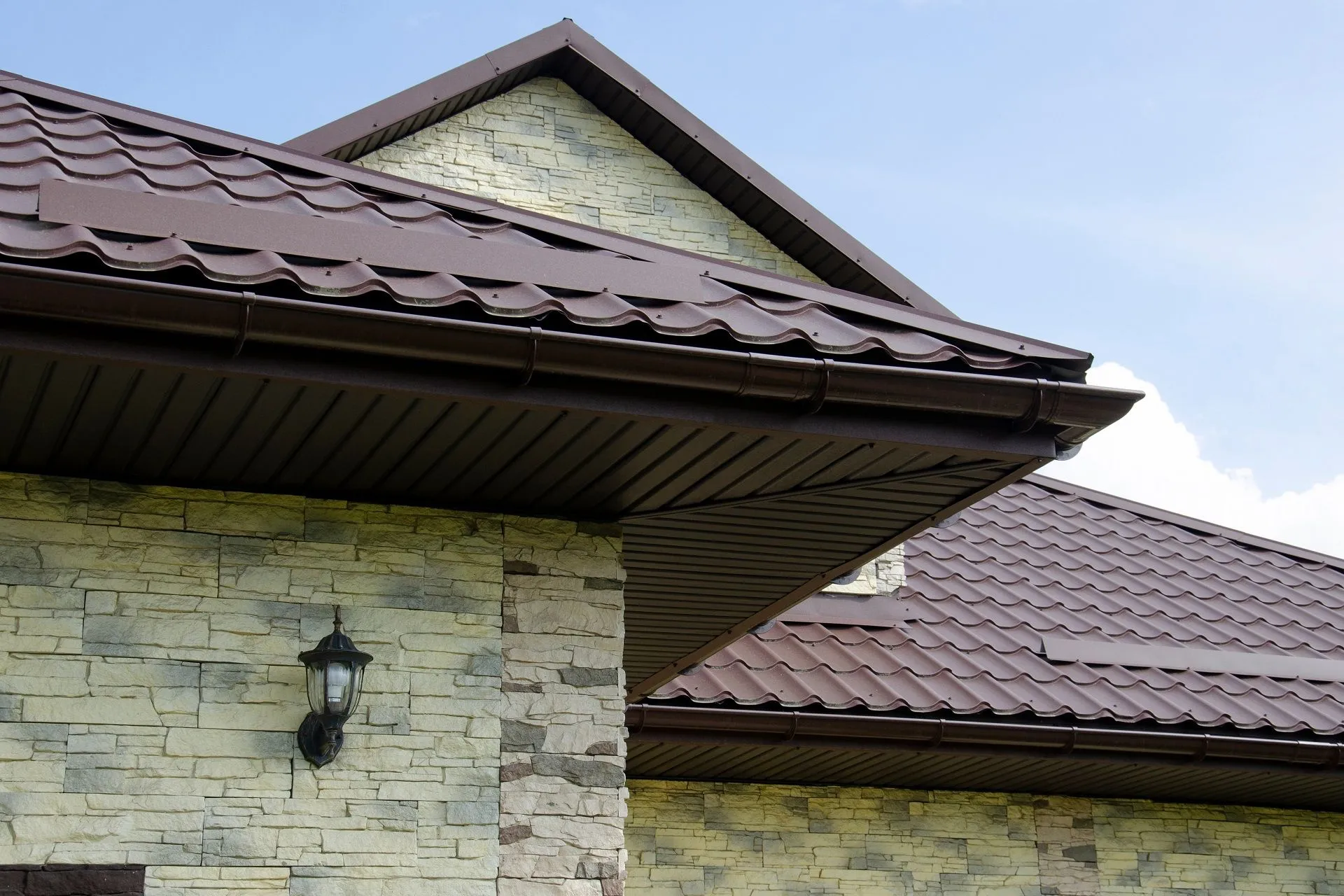
Roof Eves
Understanding the importance of Roof Eves is crucial for maintaining your home.
‘’Don’t you feel like Desperados under the eaves?’’ – sang Warren Zevon.
Roof Eves play a pivotal role in ensuring your home stays dry and protected.
Incorporating Roof Eves into your home design can elevate its aesthetic appeal.
Understanding Roof Eves will enhance your knowledge about home construction.
While this line certainly evokes a strong poetic feeling, it also refers to the underside of a roof. Aside from offering inspiration to the great American songwriter, this roof area serves a practical purpose – it keeps the water away from the walls during rainfall.
Roof Eves are essential for effective water drainage from your roof.
Regular maintenance of Roof Eves is necessary to ensure longevity.
Eaves not only improve the comfort and maintenance of your home, but for those into aesthetics, they provide a little bit of style.
The design of Roof Eves can vary significantly based on architectural styles.
Roof Eves offer both functionality and style to your home’s exterior.
Different styles of Roof Eves can complement various architectural themes.
Understanding how Roof Eves work can prevent potential water damage.
If you’re wondering what is an eave on a house and the purpose of having one, continue reading.
What Is An Eave On A House?
An eave or eaves are pretty simple to grasp. The definition comes from the name itself – an Old English word efes, which means ‘’the edge of the roof’’.
Even though it’s are not an essential component in every roof style, an eave is a mainstay in classical architecture. If you’ve ever seen a more traditional home, you’re likely aware of the striking impact the edge of the roof has by hanging over the wall.
Furthermore, eaves are not limited to those who look for a more conservative style, as modern homes also use them to a great effect. For instance, Eichler homes wouldn’t look as minimalist as they do without that broad eave that gives it a certain ‘’space-age’’ edge.
Eaves consist of a soffit, aka the part where building walls connect to the roof, and a fascia that encompasses the entire structure and covers the rafters. Hence, the dimensions depend on the roof. For example, a pitched roof will have a thinner eave while a lower roof will have a wider, more spacious eave – such as with the aforementioned Eichler homes.
Now that you’re familiar with what is an eave on a house, it’s time we cover the basic types.
Types Of Eaves
Figuring out what is an eave on a house is easy – it’s a bit harder to keep up with all their types. There are four of them and to make things interesting, they’re all drastically different from each other.
A well-designed Roof Eves system can enhance your home’s overall efficiency.
1. Exposed eaves
Investing in quality Roof Eves can save you money in repairs down the line.
Roof Eves can create a welcoming outdoor space by providing shade and shelter.
It’s vital to inspect Roof Eves regularly to prevent infestations.
Proper upkeep of Roof Eves can keep critters from making them their home.
This type is seldom used, and for a good reason – it exposes the rafters and the underside of the roof. While this type can certainly be categorized as eye candy, it does tend to wear out a lot sooner.
2. Soffit eaves
These use a soffit board attached to the bottom of the rafters and connect to the overhang of the roof at a perpendicular angle. As such, soffit eaves offer more protection as the rafters are covered.
3. Boxed-in eaves
Similar to soffit eaves, the boxed-in type also extends beyond the outside wall and is protected from the elements. The difference here is that this is accomplished through encased moldings and boards not visible from the outside.
4. Abbreviated eaves
Scheduling regular inspections for Roof Eves can help maintain their condition.
Make sure to choose the right materials for your Roof Eves to ensure durability.
Get expert advice on maintaining your Roof Eves to extend their lifespan.
The last type is carved at an angle of almost 90 degrees and doesn’t offer much overhang. Still, these eaves are closer to the structure, so they still protect your walls from the elements just as well as other types.
Eaves – The Good, The Bad, The Ugly
Apart from the visual impact, eaves give homeowners in rougher climates a bit of an advantage in times of weather-related trouble. Regardless of if you’re dealing with melting snow or rain, an eave will protect both the sides and the foundation from any damage because the water will drip further from the structure.
This is a lifesaver in Florida, as we all have to deal with extra moisture on a regular basis. The protective quality of eaves will even help the basement stay dry.
It’s not just rain and moisture that eaves are tackling – they also help Florida citizens by providing some well-needed shade, which can work wonders for keeping your home cool.
As an extra benefit, eaves also provide you with a great location to install security cameras or outdoor lights – you won’t have to worry about these electronics getting soaked during hurricane season.
Unfortunately, all the critters around your home are also recognizing the benefits of eaves, and they’ll quickly use that extra space to make their own shelter from the rain and the heat. For instance, it’s not uncommon for yellowjackets, wasps, and birds to build a nest under the eaves. It’s not uncommon for larger animals such as squirrels to nest there (you might not even notice them until a hazelnut falls on your head).
Thus, eaves come with extra maintenance costs and they are the parts of the roof that will require inspections.
How To Maintain An Eave?
To keep your eaves and roof in tip-top condition, they’ll require regular attention and maintenance. You’ll have to inspect all the areas of your roof, from eaves all the way to the gutter. That way, you can spot any leaks or cracks before any serious leakage occurs, which can pretty much cause extensive structural damage to your walls.
For a preliminary and very basic scan, you can occasionally check your soffits for signs of yellow or rusty stains, which are a dead giveaway there is a serious leak somewhere.
As we already mentioned, you’ll also have to take great care when dealing with pests. For instance, you’ll need to cover any gaps before any critter interprets it as an invitation to move in permanently.
You can also invest in repellents to keep away insects or you can DIY it by spraying mint oils underneath the eave area. Arguably the best thing we’ve seen so far is a decoy nest that keeps wasps (and nosy neighbors) at bay.
Why Schedule A Roof Inspection?
An eave can give your home the appearance of class, minimize damage to it, and keep it cool. But with all those benefits, it’s still another part of your home you’ll need to take care of every so often.
Thankfully, checking the condition of your eaves is a key step in your annual roof inspection and wind mitigation inspection. This means that by hiring a professional inspector, you don’t need to worry about accidentally overlooking some hidden damage brewing underneath your eaves.
To get valuable intelligence and a peace of mind on your roof, get in touch with Certified Inspectors.. We use high-tech infrared technology to find hidden leaks or energy losses so if anything is there, our inspectors will find it.
Schedule an inspection by calling +1 561-589-3174 or filling out our contact form and get the most out of your eaves!
