If you’re a homeowner in Palm Beach, Broward, or Miami-Dade you’ve likely heard about a 4 Point Inspection, especially when buying an older home or renewing your insurance policy.
While this inspection is relatively quick and focused, failing it can delay your insurance approval or even result in denied coverage. Understanding the most common causes of 4 Point Inspection Failures can help you avoid costly surprises and pass with confidence.
In this guide, we’ll break down what a 4 Point Inspection involves, why homes fail, and how you can prepare.
What Is a 4 Point Inspection?
A 4 Point Inspection is a specialized evaluation of four major systems in a home:
- Roofing
- Electrical
- Plumbing
- HVAC (Heating, Ventilation, and Air Conditioning)
Insurance companies in Florida often require this inspection for homes over 20–30 years old to assess risk before issuing or renewing a policy.
Because Florida homes face extreme weather, humidity, and aging infrastructure, insurers use this inspection to ensure the property is safe and insurable.
Why Do 4 Point Inspection Failures Happen?
A 4 Point Inspection failure typically occurs when one or more of these systems is outdated, damaged, or unsafe. Even minor issues can raise red flags for insurers.
The most common failures fall into four categories:
1. Roofing Issues (Top Reason for Failure)
The roof is the most critical component of your home, and one of the biggest reasons for inspection failure.
Common Problems:
- Roof age over 15–20 years
- Missing, cracked, or curling shingles
- Water leaks or stains
- Soft spots or structural damage
- Improper installation or repairs
Insurance companies often require roofs to have at least a few years of remaining life. If your roof is near the end of its lifespan, your home may fail the inspection, even if it looks fine from the outside.
Why It Matters:
A failing roof increases the risk of water damage, mold, and structural issues, major concerns for insurers in hurricane-prone regions like South Florida.
Pro Tip:
If your roof is older, consider a replacement or certification before scheduling your 4 Point Inspection.
2. Electrical System Problems
Outdated or unsafe electrical systems are another leading cause of 4 Point Inspection failure.
Common Electrical Issues:
- Aluminum wiring
- Knob-and-tube wiring
- Faulty or outdated breaker panels (e.g., Federal Pacific, Zinsco)
- Double-tapped breakers
- Exposed or loose wiring
- DIY electrical work
These issues significantly increase the risk of electrical fires, which is why insurers take them very seriously.
Why It Matters:
Even if your electrical system is functioning, outdated components can still cause a failure due to safety risks.
Pro Tip:
Hire a licensed electrician to upgrade outdated wiring or panels before your inspection.
3. Plumbing System Deficiencies
Plumbing problems are often hidden but can cause expensive damage, making them a major concern during a 4 Point Inspection.
Common Plumbing Issues:
- Polybutylene pipes (high-risk material)
- Galvanized pipes (corrosion and reduced flow)
- Active leaks under sinks or fixtures
- Rusted or aging water heaters
- Poor water pressure or drainage
Insurance companies are especially cautious about plumbing because water damage claims are among the most costly.
Why It Matters:
Even a small leak can lead to mold, structural damage, and costly repairs over time.
Pro Tip:
Replace outdated piping with PEX or copper and ensure your water heater is within its acceptable lifespan (typically under 10–15 years).
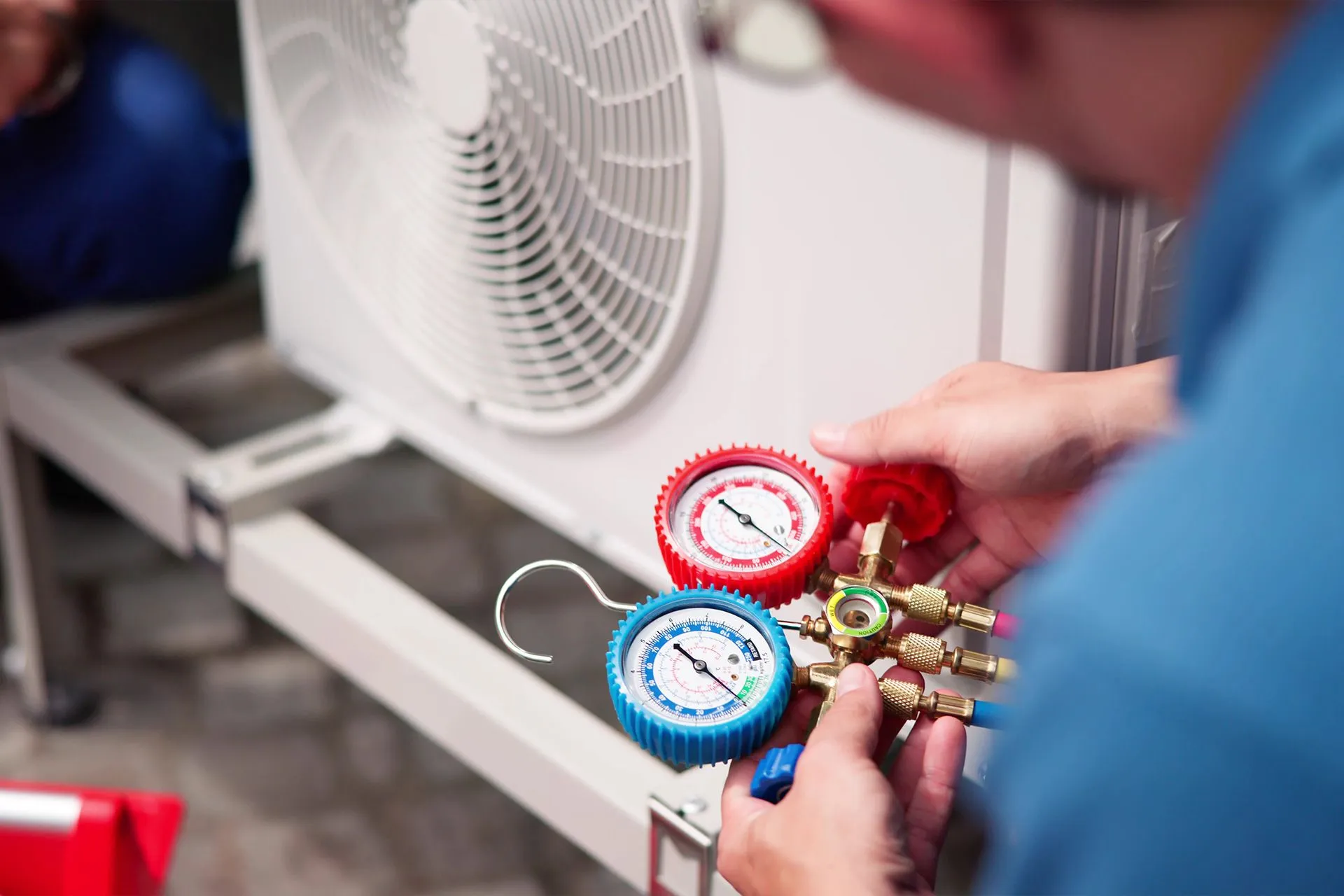
4. HVAC System Concerns
Your heating and cooling system plays a key role in both comfort and safety, and it’s another common reason homes fail a 4 Point Inspection.
Common HVAC Issues:
- Units older than 15–20 years
- Systems that are not functioning properly
- Missing or damaged components
- Rust, leaks, or poor maintenance
- Lack of central heating or cooling
In Florida’s humid climate, a properly functioning HVAC system is essential to prevent moisture buildup and mold growth.
Why It Matters:
An inefficient or failing HVAC system increases energy costs and reduces indoor air quality, both concerns for insurers.
Pro Tip:
Schedule routine maintenance and consider replacing older systems before inspection.
5. Lack of Maintenance and Documentation
Even if your systems are in decent condition, poor maintenance or missing documentation can still lead to a 4 Point Inspection failure.
Common Issues:
- No proof of roof replacement or repairs
- Missing permits for upgrades
- Poorly maintained systems
- Signs of neglect
Insurance companies often require documentation to verify that work was done properly and meets current building codes.
Pro Tip:
Keep records of all repairs, replacements, and permits to show during your inspection.
6. Improper Repairs or DIY Work
Many homeowners try to fix issues themselves—but improper repairs can actually hurt your chances of passing.
Examples:
- Unsecured wiring
- Temporary plumbing fixes
- Improper roof patchwork
- Unsafe HVAC installations
Inspectors can easily spot non-professional work, and it often results in failure.
Pro Tip:
Always use licensed professionals for repairs related to roofing, electrical, plumbing, and HVAC systems.
How to Avoid a 4 Point Inspection Failure
The good news? Most failures are preventable with proper preparation.
Checklist to Pass Your 4 Point Inspection:
- Inspect your roof for visible damage
- Upgrade outdated electrical systems
- Fix plumbing leaks and replace risky pipes
- Service your HVAC system
- Gather documentation for repairs and upgrades
- Avoid DIY fixes, use licensed contractors
Taking these steps can significantly improve your chances of passing the inspection on the first try.
Why This Matters for Florida Homeowners
In counties like Palm Beach, Broward, Miami-Dade, Treasure Coast, Hernando, Citrus, Sumter, and Pasco, insurance companies are especially strict due to:
- Hurricanes and heavy storms
- High humidity levels
- Aging housing stock
Because of these factors, even small issues can lead to a 4 Point Inspection failure or higher insurance premiums.
Final Thoughts
A 4 Point Inspection is a critical step in securing homeowners insurance in Florida, but it doesn’t have to be stressful.
Most failures come down to four key areas:
- Roofing issues
- Electrical hazards
- Plumbing defects
- HVAC system problems
By addressing these issues early and maintaining your home properly, you can avoid delays, reduce costs, and ensure a smooth inspection process.
Schedule your professional 4 Point Inspection today with Certified Inspectors and get insurance-ready with confidence.
Frequently Asked Questions (FAQs)
What is a 4 Point Inspection?
A 4 Point Inspection evaluates the condition of four major systems: roof, electrical, plumbing, and HVAC, mainly for insurance purposes.
Can you fail a 4 Point Inspection?
Yes, if any of the four systems are outdated, unsafe, or not functioning properly, your home can fail the inspection.
How long does a 4 Point Inspection take?
Most inspections take between 30 minutes to an hour, depending on the size and condition of the home.
What happens if I fail a 4 Point Inspection?
You may need to complete repairs before your insurance company approves or renews your policy.
How can I prepare for a 4 Point Inspection?
Fix visible issues, upgrade outdated systems, schedule maintenance, and keep documentation ready for any repairs or replacements.
Fix visible issues, upgrade outdated systems, schedule maintenance, and keep documentation ready for any repairs or replacements.
